
The Maracanazo Story: How Uruguay Shattered Brazil’s Dreams in the 1950 World Cup
I. Introduction: The Day Football Stood Still
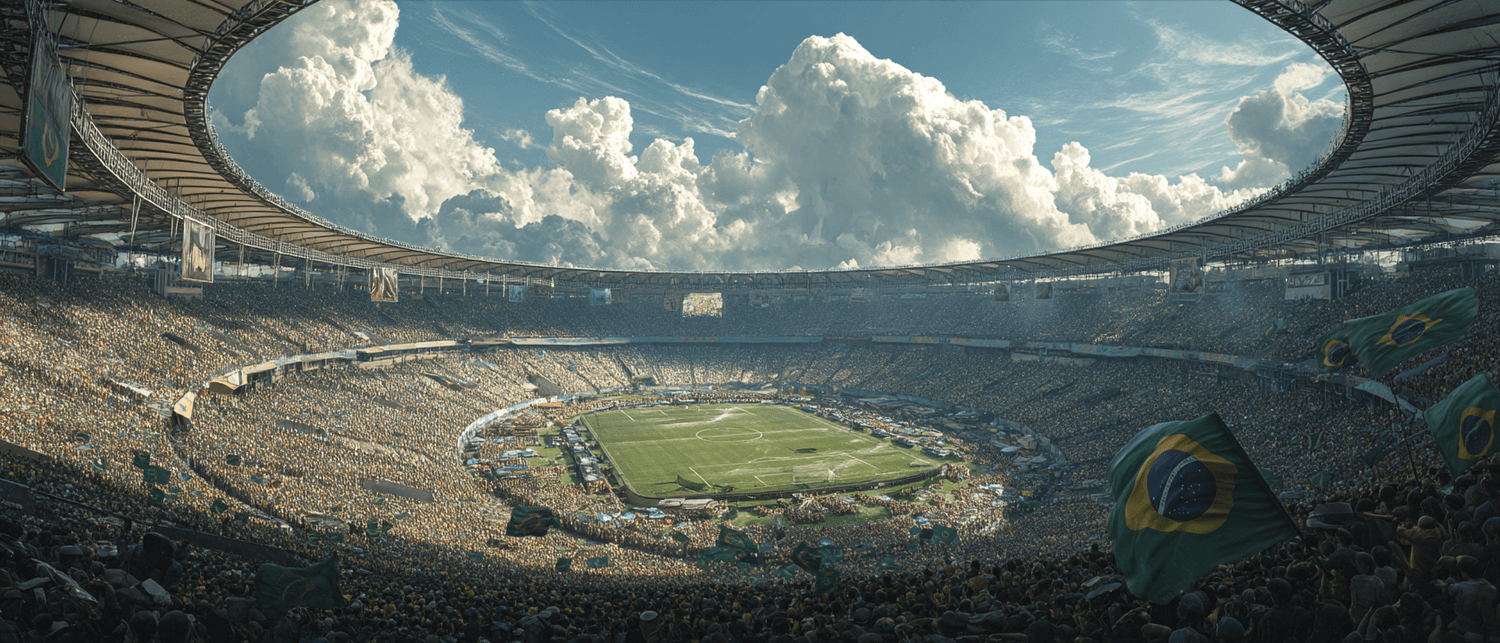
On July 16, 1950, Rio de Janeiro’s Maracanã Stadium became the stage for one of the most unforgettable moments in sports history. The 1950 FIFA World Cup final match, known forever as “The Maracanazo” (El Maracanazo in Spanish), ended with Uruguay defeating Brazil 2–1 — a result so shocking that it silenced nearly 200,000 fans.
The Maracanazo Story isn’t just about football. It’s a story about pride, heartbreak, and redemption. It tells how a confident Brazilian nation, celebrating before the final whistle, was humbled by a smaller, determined neighbor.
Even today, more than seven decades later, the Maracanazo remains a symbol of the greatest upset in World Cup history, shaping how the world views both Brazilian and Uruguayan football.
II. Setting the Stage: Brazil’s World Cup of Glory
A. Post-War Optimism and Brazil’s Host Role
In the aftermath of World War II, football returned as a symbol of unity and hope. The 1950 World Cup was the first since 1938, and Brazil — one of the few nations with economic stability — was chosen to host it. The government poured resources into building Estádio Jornalista Mário Filho, better known as the Maracanã Stadium, a structure designed to hold over 200,000 people.
For Brazilians, the World Cup represented more than sport; it was a chance to show that their country was a modern, emerging power. Newspapers wrote about destiny, calling the Brazilian team “the champions of tomorrow.” The atmosphere across Rio de Janeiro was one of celebration and national pride.
B. The Favorites: Brazil’s Dominance Before the Final
The Brazilian national team justified the hype. Known for their attacking flair, they swept through the tournament’s final round, destroying Sweden 7–1 and Spain 6–1. Newspapers declared them “invincible,” and radio commentators proclaimed Brazil’s superiority as destiny fulfilled.
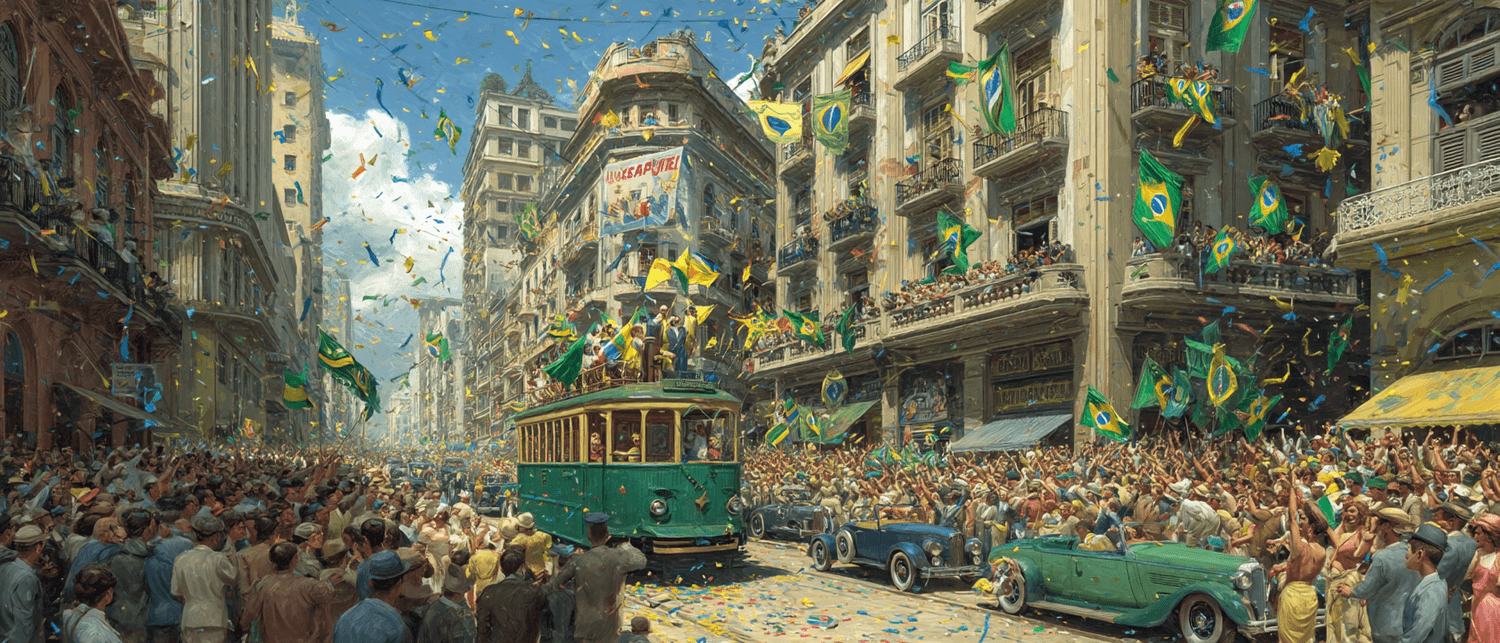
So confident were the authorities that victory celebrations were prepared before the final match even began. A special victory song was composed, and the team was scheduled to receive the trophy from President Eurico Gaspar Dutra immediately after the game.
C. The Opponent: Uruguay’s Quiet Determination
Standing in their way was Uruguay, a small nation that had already won the 1930 World Cup but was now considered past its prime. Few believed they could pose a threat to Brazil’s offensive machine.
But Uruguay had a secret weapon — Obdulio Varela, their captain. Varela was a natural leader, calm and fearless. He reminded his teammates that football was played on the field, not in the newspapers. Before the match, he told them:
“The game starts 0–0. They’re 11, and we’re 11. Let’s show them who we are.”
His words became the foundation of one of the most inspiring stories in football history.
III. The Match Format: Why It Wasn’t Technically a Final
One key detail often overlooked in the Maracanazo 1950 is that it wasn’t a conventional final. The 1950 World Cup used a final group stage format instead of knockout rounds. The four finalists — Brazil, Uruguay, Sweden, and Spain — played each other once, and the team with the most points would be champion.
Brazil’s superior goal difference meant that they only needed a draw to win the title. Uruguay, however, had to win. This imbalance shaped the entire game’s psychology: Brazil played with confidence, perhaps even complacency, while Uruguay prepared for a fight.
This structure also explains why many newspapers and fans referred to it as a “final,” even though it wasn’t one in format — emotionally and symbolically, it was precisely that.
IV. Kickoff: The Match That Shook the Maracanã
A. First Half: A Tense and Tactical Battle
From the first whistle, Brazil attacked with flair and creativity. Stars like Zizinho, Ademir, and Friaça launched waves of attacks against Uruguay’s defense. But the Uruguayan goalkeeper, Roque Máspoli, and his backline — including Matías González and Eusebio Tejera — held firm.
Uruguay didn’t panic. They played cautiously, with short passes and counter-attacks designed to exploit spaces behind Brazil’s full-backs. Meanwhile, Varela walked around the field, slowing the tempo, calming his teammates, and frustrating the Brazilian momentum.
By halftime, the score was 0–0. Brazil still dominated possession, and the crowd expected the goals to come soon.
B. Second Half: The Goals That Changed History
Two minutes into the second half, Brazil struck. Friaça scored from a tight angle, and the Maracanã exploded. The crowd’s roar could be heard across Rio. Flags waved, confetti flew, and commentators shouted, “We are the champions!”
But that overconfidence would soon unravel.
In the 66th minute, Uruguay launched a rare attack. Alcides Ghiggia dribbled down the right flank, passed a defender, and crossed into the box. Juan Schiaffino met the ball perfectly, firing it into the net.
The stadium fell silent — a stunned, uneasy silence.
Then, in the 79th minute, the unthinkable happened. Ghiggia broke through again, approached the penalty area, and shot low toward the near post. The Brazilian goalkeeper Moacir Barbosa expected a cross; instead, the ball zipped into the net.
Uruguay 2 – Brazil 1.
The roar of celebration turned to a deafening void. Reporters described it as “the loudest silence in history.”
C. Final Whistle: From Celebration to Shock
When the English referee George Reader blew the final whistle, Uruguay had done the impossible. Their players embraced, tears streaming down their faces, while Brazilian players stood motionless. The Maracanã — once a cathedral of joy — had become a monument of heartbreak.
The Maracanazo had just been born.
V. Aftermath: When Joy Turned to Mourning
A. Brazil’s National Tragedy
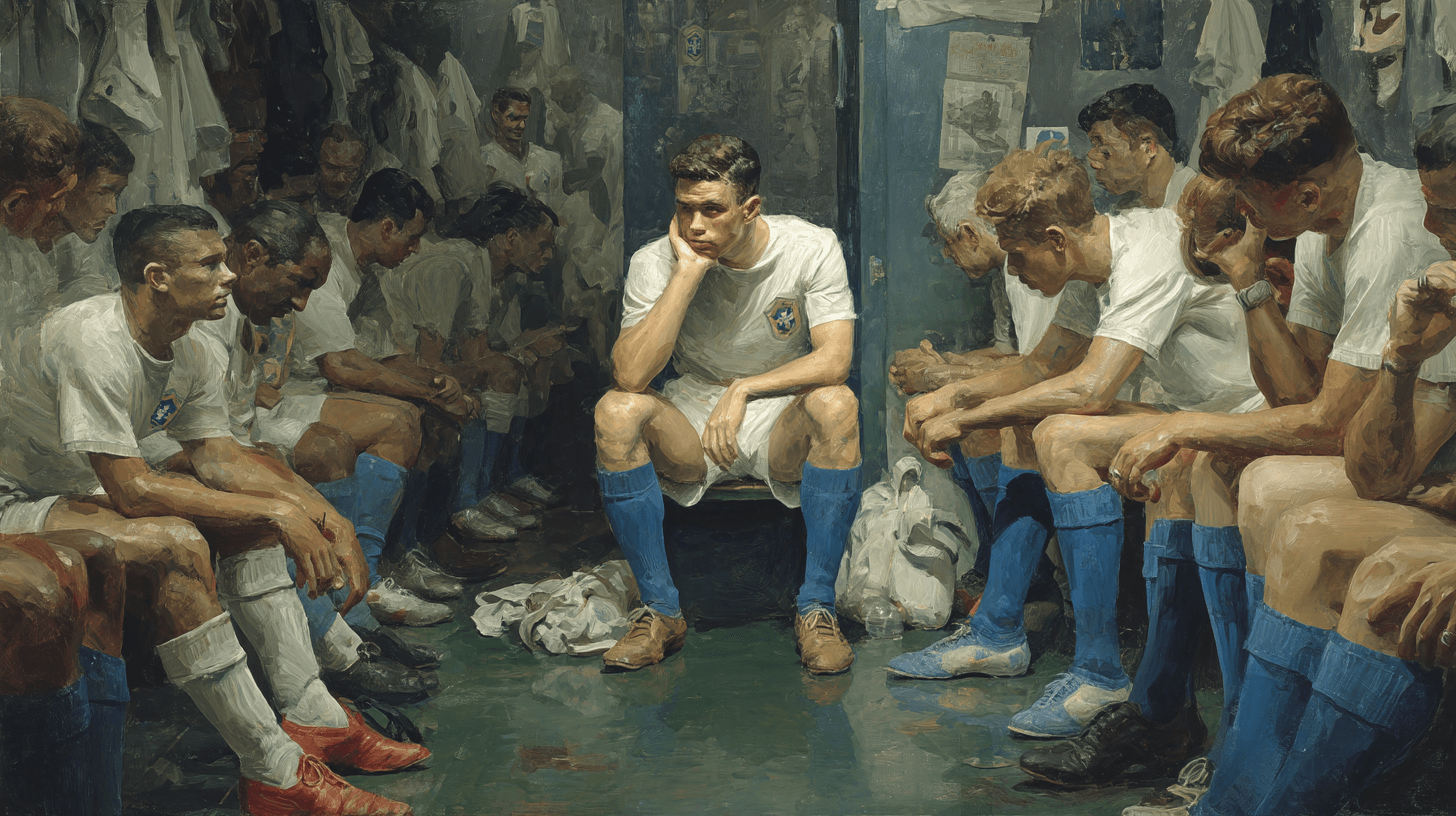
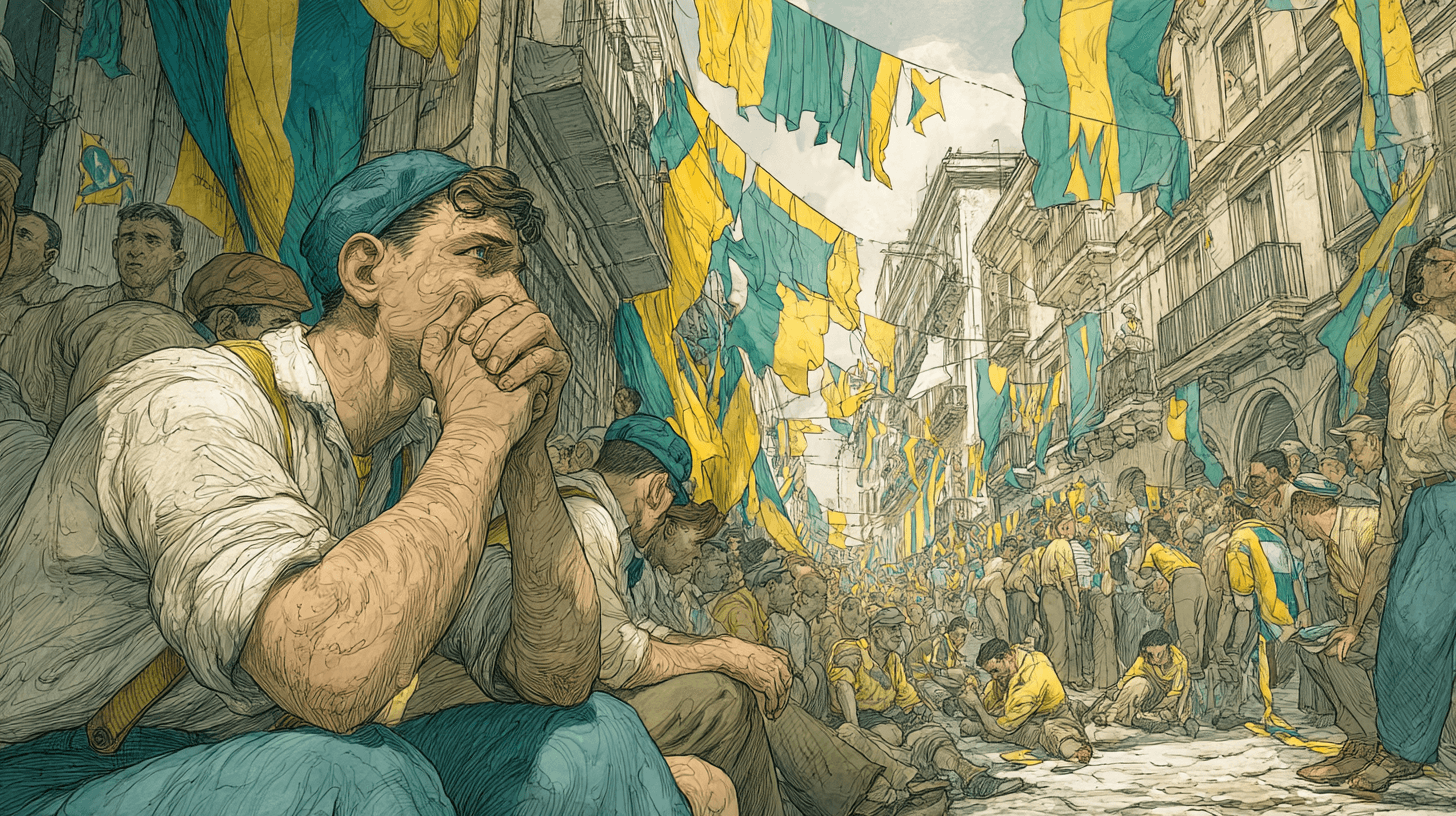
The loss felt like a death in the family. Newspapers published black borders as if announcing a national tragedy. Fans wept openly in the streets, some collapsing in despair.
Though rumors of suicides spread, historians later confirmed most were exaggerated. Still, the collective grief was undeniable. Radio stations stopped playing music, and the government canceled all celebrations.
For many Brazilians, the Maracanazo was more than a defeat — it was a national trauma that would define their football identity for decades.
B. Uruguay’s Triumph
While Brazil mourned, Uruguay celebrated one of the greatest triumphs in sporting history. They returned to Montevideo as heroes, greeted by massive parades and fireworks.
Obdulio Varela’s composure during the chaos made him a legend. He reminded his team to remain humble, saying:
“We didn’t beat 11 men; we beat 200,000.”
For Uruguay, the 1950 Maracanazo became a cornerstone of their national spirit — proof that courage and unity could overcome any giant.
VI. The Players Behind the Myth
A. Obdulio Varela — The Captain Who Conquered Fear
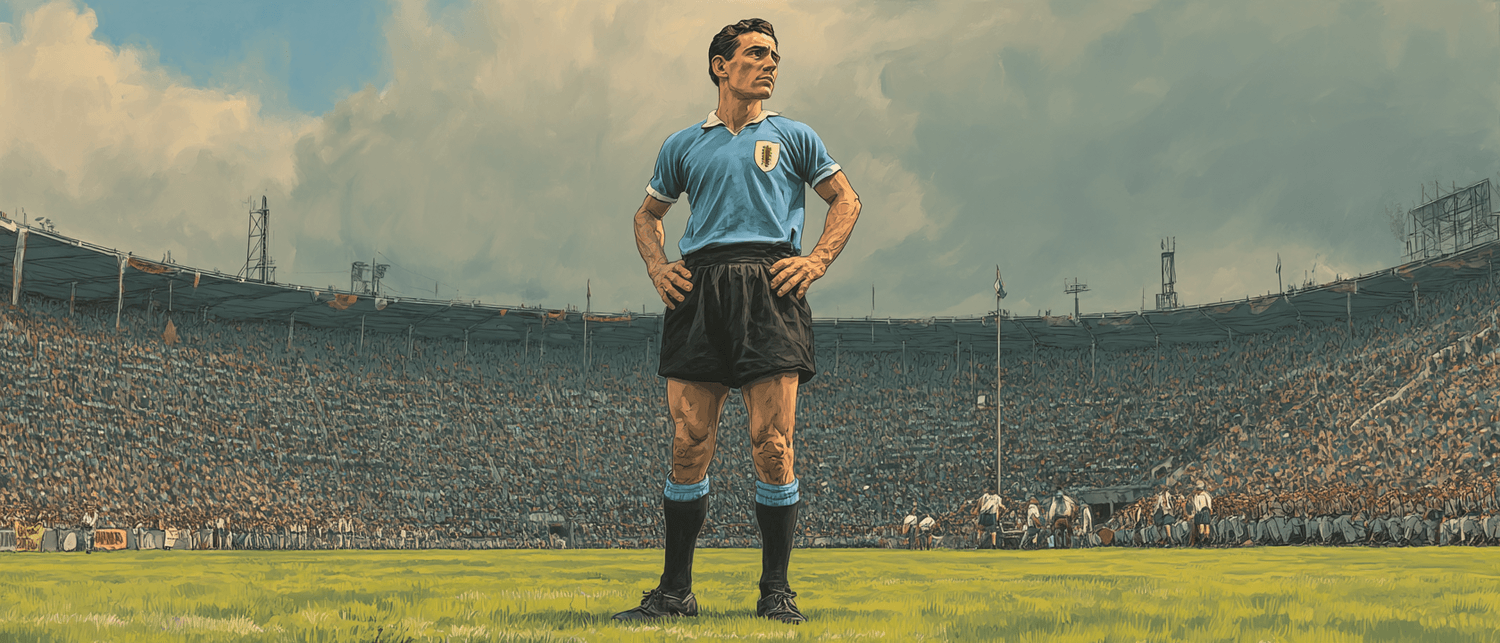
Often called “El Negro Jefe” (The Black Chief), Obdulio Varela embodied leadership. He inspired respect through quiet strength. After Brazil’s opening goal, Varela picked up the ball, strolled to the halfway line, and argued with the referee — not to protest, but to let the crowd’s roar die down, easing pressure on his teammates.
That single act of psychological control changed the game. To this day, leadership experts cite Varela’s composure as a masterclass in mental strength.
B. Alcides Ghiggia — The Man Who Silenced the Maracanã
Alcides Ghiggia, Uruguay’s right winger, became immortal with one goal. His calm execution under immense pressure has become a football legend. Later, he famously said:
“Only three people have silenced the Maracanã: the Pope, Frank Sinatra, and me.”
Ghiggia’s goal didn’t just win a match — it froze an entire nation in disbelief.
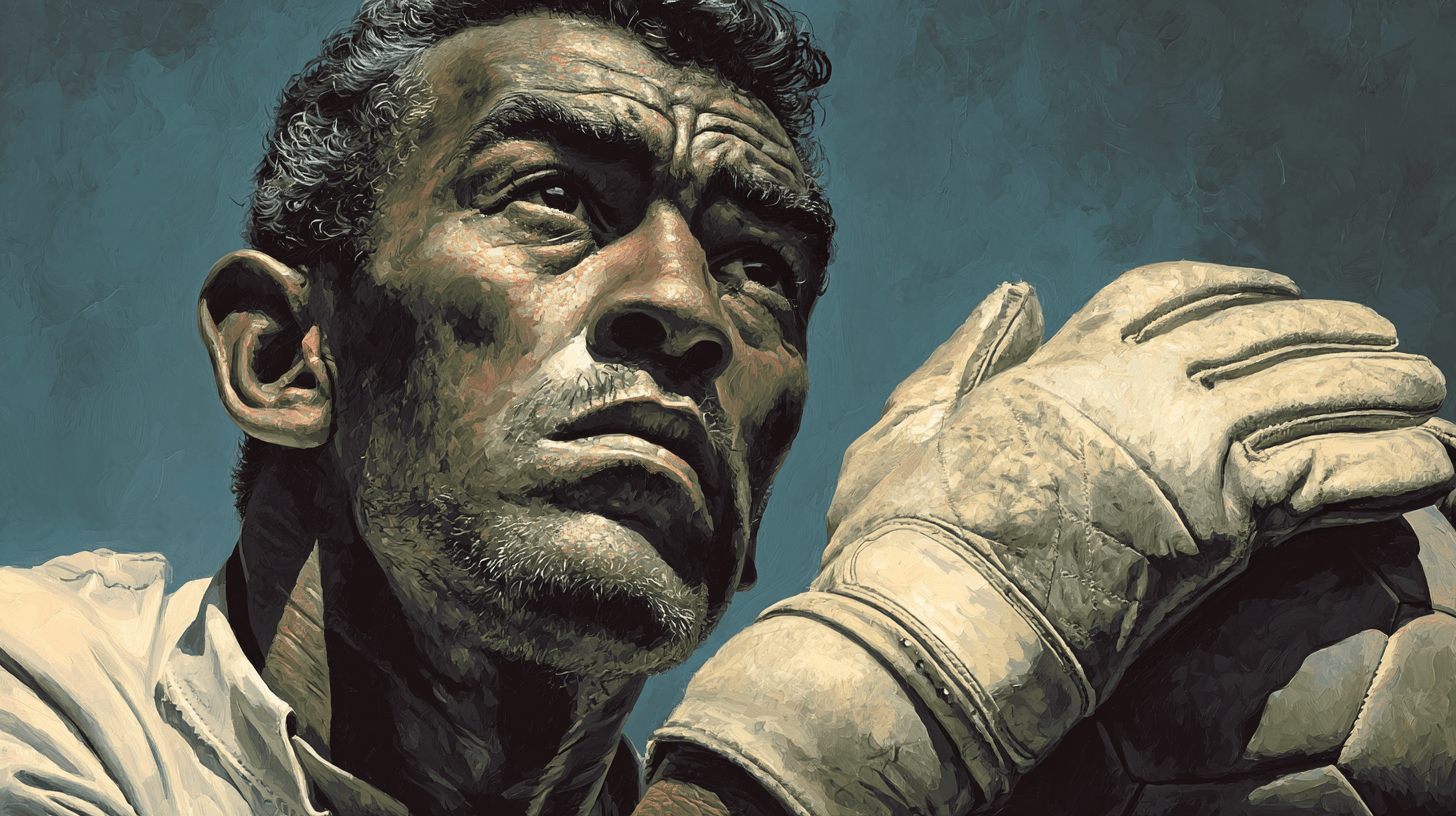
C. Moacir Barbosa — The Goalkeeper Who Carried the Blame
For Moacir Barbosa, the Maracanazo became a lifelong shadow. Despite a stellar career, he was vilified by fans and the media. Superstition and racism played roles in the way he was treated.
Barbosa once said, “In Brazil, the maximum sentence is 30 years. But my punishment has lasted a lifetime.” He died still haunted by that day — a tragic reminder of how sport can both lift and destroy heroes.
VII. Cultural Impact: How the Maracanazo Changed Brazil
A. The Birth of the Amarelinha (Yellow Jersey)
After the defeat, Brazil’s all-white uniform was considered cursed. A public contest led to the creation of the new yellow-and-green jersey, designed by Aldyr Garcia Schlee in 1953. The new look — the Amarelinha — represented optimism and renewal.
Every time Brazil lifts a World Cup trophy today, the shadow of the Maracanazo lingers beneath that bright yellow fabric.
B. The Rise of Brazilian Football Identity
The Maracanazo sparked deep introspection. Brazilian football redefined itself, focusing on creativity, emotion, and joy — elements that would soon give birth to the golden era of Pelé, Garrincha, and Didi.
By 1958, Brazil had conquered the world, becoming the embodiment of “samba football.” The pain of 1950 became the foundation of their later dominance.
C. Maracanazo in Popular Culture
The Maracanazo has inspired countless books, films, and documentaries, such as “Maracanazo: The Day That Changed Football.” It’s been referenced in art, music, and even politics. In Uruguay, schoolchildren learn about it as a symbol of courage; in Brazil, it serves as a lesson in humility.
The event’s emotional power continues to shape South American football mythology.
VIII. Myths, Legends, and Truths
Over time, the Maracanazo has taken on mythical proportions. Some stories — like mass suicides or national riots — are vastly exaggerated. But others, like the eerie silence that filled the stadium, are true and well-documented.
The official attendance was 173,850, but many experts estimate the crowd exceeded 200,000 — the largest in football history.
The myth-making around the Maracanazo has ensured its immortality. It remains a story told not just in statistics, but in emotions.
IX. Comparisons and Legacy in Modern Football
Fast forward to 2014, when Brazil hosted another World Cup, in the semifinals, the national team suffered a humiliating 7–1 defeat to Germany, a match instantly dubbed the “Mineirazo.”
Comparisons with the Maracanazo were inevitable. Once again, a home crowd witnessed heartbreak. But unlike 1950, Brazil faced it with maturity — proof that the lessons of the Maracanazo had taken root.
Today, the Maracanazo stands as a timeless reminder: in football, arrogance is dangerous, and belief can rewrite destiny.
X. Lessons That Echo Through Time
The Maracanazo Story endures because it transcends sport. It is a story of human emotion — of pride, fear, courage, and redemption. It shows that defeat can be the foundation of greatness, and that no victory is ever guaranteed.
Uruguay taught the world that belief and unity can conquer giants. Brazil learned that failure, while painful, can forge resilience and greatness.
Every time a ball rolls on the green grass of the Maracanã, the ghosts of 1950 still whisper the same lesson: Never celebrate before the final whistle.
Frequently Asked Questions (FAQ)
The Maracanazo refers to Uruguay’s shocking 2–1 victory over Brazil in the 1950 FIFA World Cup final match at the Maracanã Stadium in Rio de Janeiro.
The word combines Maracanã (the stadium’s name) and the Spanish suffix -azo, meaning “blow” or “strike,” symbolizing the emotional impact of the defeat.
Friaça scored Brazil’s goal, while Uruguay’s goals came from Juan Schiaffino and Alcides Ghiggia.
Official attendance was 173,850, though many estimates suggest the actual number exceeded 200,000 — the largest crowd ever recorded for a football game.
The all-white kit worn in 1950 was deemed unlucky. Brazil later adopted the iconic yellow-and-green jersey (Amarelinha) in 1954 to represent joy and hope.
Varela, Uruguay’s captain, was instrumental in motivating and calming his teammates. His leadership and mental strength were key to the team’s historic victory.
The Maracanazo remains one of football’s most incredible stories — a symbol of belief, humility, and redemption. It changed how Brazil approached football and gave Uruguay eternal glory.