
10 Forgotten World Cup Matches Every Fan Should Know
Introduction
The FIFA World Cup has given us unforgettable memories—Diego Maradona’s “Hand of God,” Germany’s 7–1 demolition of Brazil, and Spain lifting the trophy in 2010 after tiki-taka perfection. These moments are burned into football folklore. Yet, hidden beneath the spotlight are games that were just as dramatic, shocking, or influential, but have faded from mainstream memory.
This article revisits 10 forgotten World Cup matches that every football fan should know. From improbable upsets to chaotic brawls, these games reveal a side of World Cup history that rarely makes the highlight reels. Let’s dive into the stories of grit, glory, and madness that deserve their place in the spotlight.
Forgotten Upsets That Shocked the World
1. USA 1–0 England (1950): The Miracle of Belo Horizonte
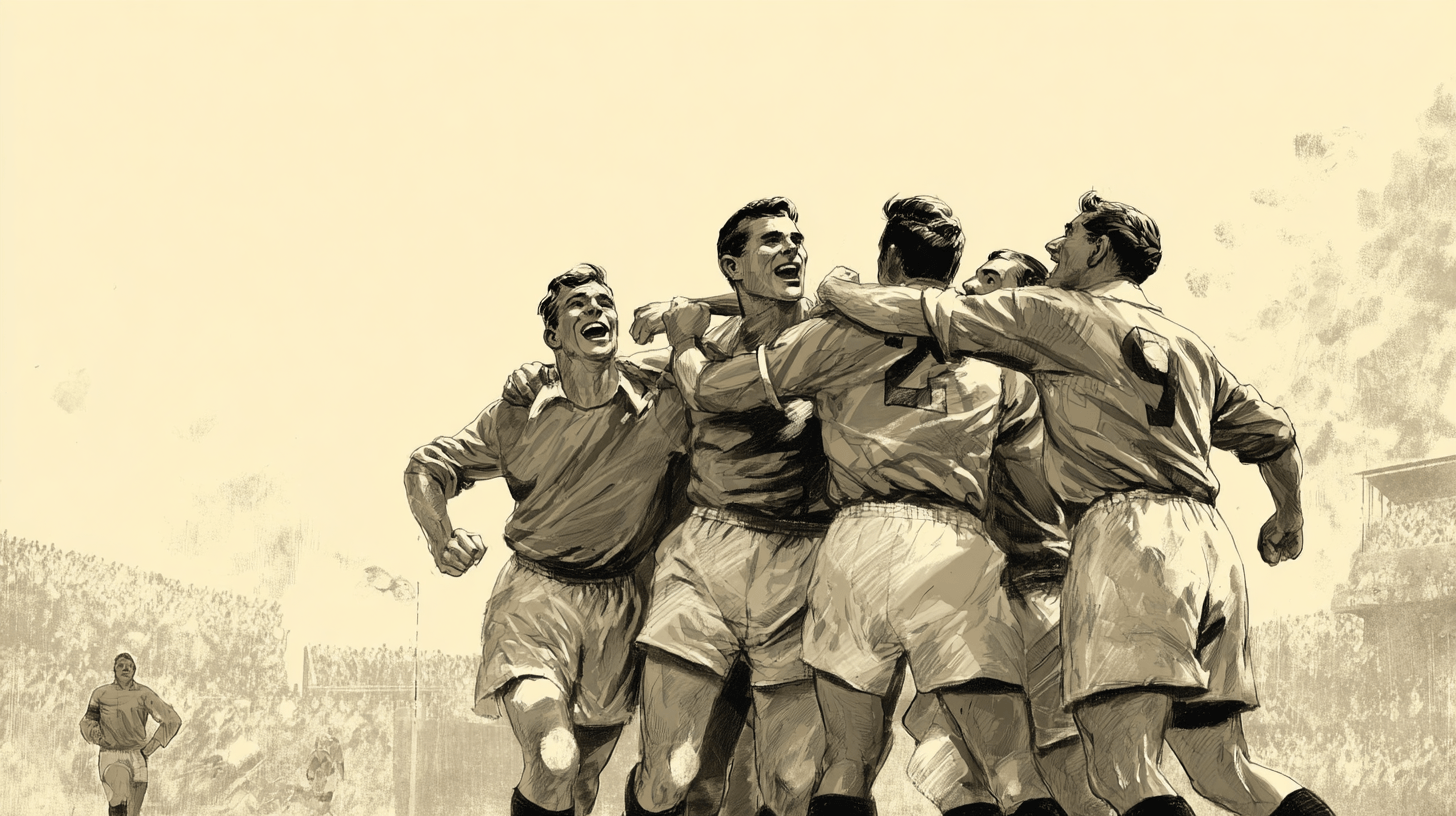
When England entered the 1950 World Cup in Brazil, they were considered the inventors of the game and overwhelming favorites against a team of American part-timers. The United States squad was comprised of mail carriers, dishwashers, and teachers, rather than professional athletes.
In the 37th minute, Haitian-born Joe Gaetjens scored the only goal of the match. England, stunned and disorganized, failed to equalize. Newspapers back home refused to believe the result, even reporting it as a typo.
This upset, known as the Miracle of Belo Horizonte, is often overlooked because the United States did not progress far in the tournament. Still, it remains one of the most significant underdog victories in football history.
2. Algeria 2–1 West Germany (1982): The Forgotten Giant-Killing
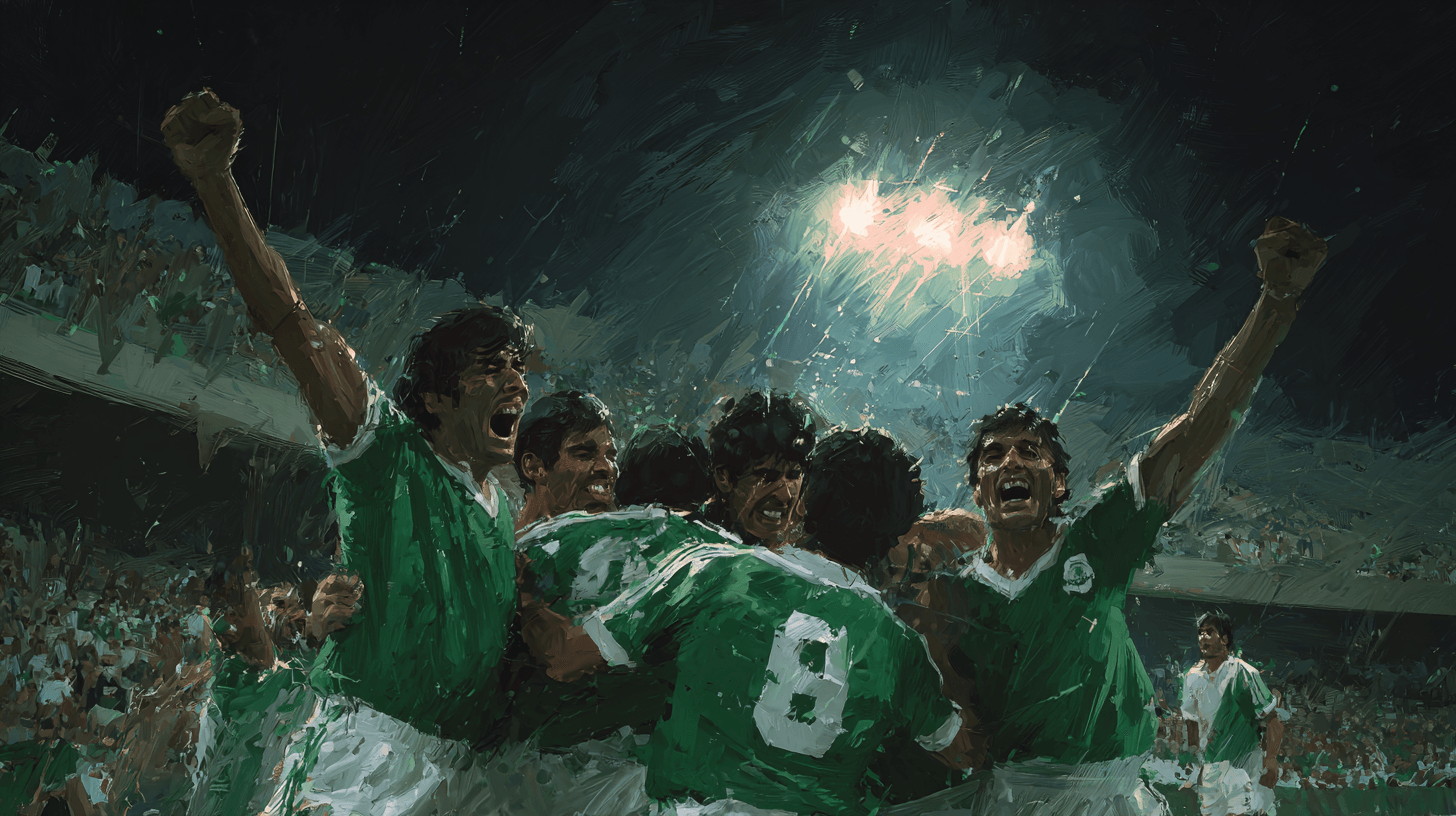
Algeria’s first-ever World Cup match came against West Germany, the reigning European champions, in Spain. Few gave them a chance. But Rabah Madjer and Lakhdar Belloumi scored to stun the Germans 2–1.
What followed was controversial. In the final group game, West Germany and Austria played out a cynical 1–0 result that ensured both advanced at Algeria’s expense. It became known as the Disgrace of Gijón and prompted FIFA to mandate simultaneous final group-stage matches from then on.
While the scandal overshadowed Algeria’s achievement, their fearless performance against Germany remains one of the World Cup’s most underrated victories.
3. North Korea 1–0 Italy (1966): David Beats Goliath
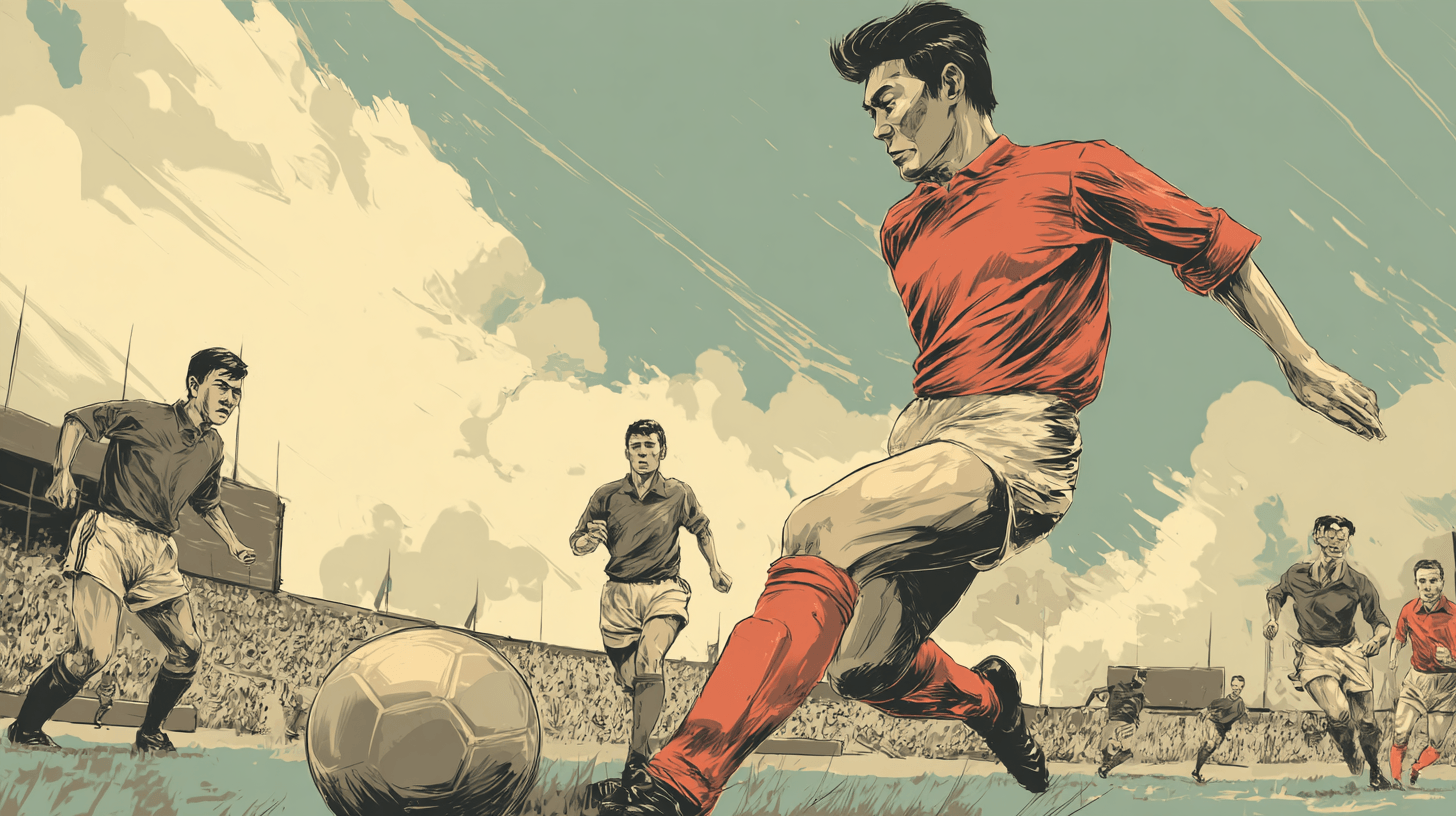
At the 1966 World Cup in England, North Korea shocked the footballing world by defeating Italy. A single goal by Pak Doo-ik in the 42nd minute sent the Italians crashing out of the tournament.
The North Korean players became instant heroes, and their story captured global attention at the time. However, their underdog triumph is rarely retold compared to other World Cup shocks. This match reminds us that the World Cup has always been fertile ground for giant-killers.
Goal Fests Lost in History
4. Austria 7–5 Switzerland (1954): The 12-Goal Heat Battle of Lausanne
The 1954 World Cup in Switzerland produced one of the wildest games ever played. In the sweltering heat, the hosts, Switzerland, stormed into a 3–0 lead within 20 minutes. Austria roared back, scoring five straight goals, and the two teams traded blows until Austria emerged 7–5 winners.
It remains the highest-scoring match in World Cup history. Despite its record, it is rarely celebrated, mainly because it was overshadowed by the “Miracle of Bern,” when West Germany defeated Hungary in the final.
Still, the Heat Battle of Lausanne showcased football at its chaotic, attacking best.
5. Hungary 10–1 El Salvador (1982): Double-Digit Dominance
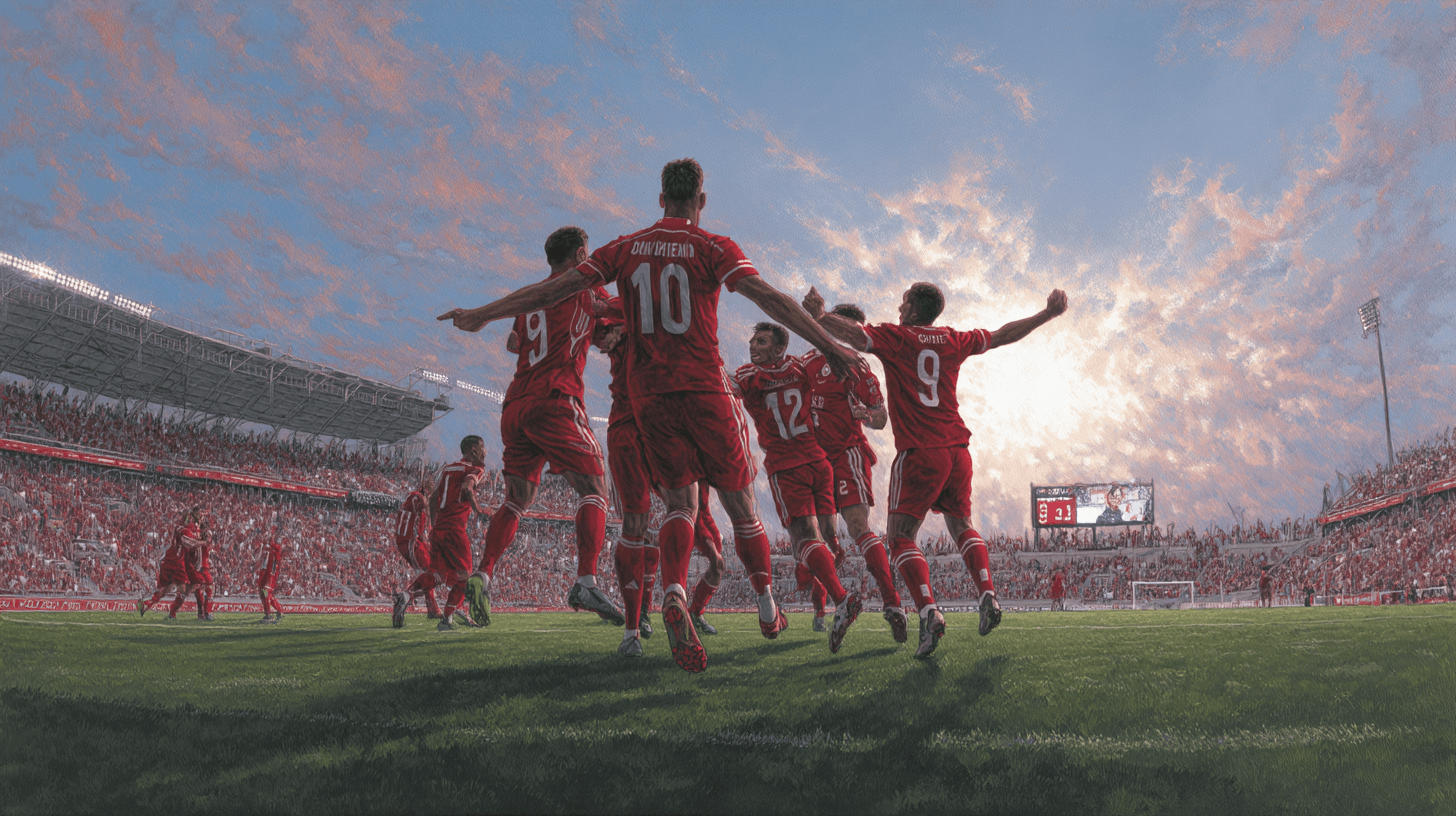
Spain 1982 saw another remarkable scoreline. Hungary dismantled El Salvador 10–1, recording the most significant margin of victory in World Cup history. Forward László Kiss made history as the first substitute to score a hat-trick in the tournament.
Despite the records, this game is largely forgotten because Hungary failed to advance far, and the match lacked the drama of a close contest. Nevertheless, it remains a reminder of the unpredictability of World Cup football.
Violence, Chaos, and Infamy
6. Chile vs Italy (1962): The Battle of Santiago
The 1962 World Cup in Chile featured one of the most infamous matches in soccer history. Italy and Chile faced off in a group-stage clash marked by vicious tackles, fistfights, and constant confrontations.
Police had to intervene multiple times, and players were sent off amid chaos. The BBC commentator David Coleman famously introduced the highlights by saying, “The most stupid, appalling, disgusting, and disgraceful exhibition of football, possibly in the history of the game.”
Though remembered by historians as a dark moment, the Battle of Santiago is rarely revisited by casual fans. Yet it remains an important example of how football can reflect social and political tensions.
7. Brazil vs Czechoslovakia (1938): The Battle of Bordeaux
Decades earlier, another violent encounter unfolded at the 1938 World Cup in France. Brazil and Czechoslovakia clashed in a brutal quarterfinal that became known as the Battle of Bordeaux.
Players from both sides committed reckless fouls, leading to multiple injuries and ejections. The match ended in a 1–1 draw, forcing a replay that Brazil eventually won 2–1.
While overshadowed by Brazil’s later triumphs, this battle highlighted the darker side of competition in football’s biggest tournament.
Politics and Cold War Tensions on the Pitch
8. East Germany 1–0 West Germany (1974): A Cold War Derby
Few matches carried as much political weight as the East Germany vs. West Germany match in the 1974 World Cup. The two nations, divided by ideology, met for the first and only time on football’s biggest stage.
In a stunning twist, East Germany won 1–0 thanks to Jürgen Sparwasser’s goal. The victory had enormous symbolic value, even though West Germany went on to win the tournament.
While football history tends to focus on the champions, this politically charged encounter deserves recognition as one of the most unique World Cup matches ever played.
Forgotten Classics of the 80s and 90s
9. Belgium 4–3 USSR (1986): Extra-Time Chaos
The 1986 Mexico World Cup is remembered for Diego Maradona’s brilliance, but one of its greatest matches involved Belgium and the Soviet Union. The two teams produced a thrilling quarterfinal that ended 2–2 in regular time. Belgium scored twice in extra time to win 4–3.
This end-to-end spectacle was overshadowed by Maradona’s “Goal of the Century” against England in the same tournament. Still, it remains a hidden gem for football purists.
10. Romania 3–2 Argentina (1994): Hagi’s Forgotten Masterpiece
At the 1994 World Cup in the United States, Romania faced Argentina in the Round of 16. Gheorghe Hagi orchestrated a stunning performance, leading his side to a 3–2 victory. His vision, creativity, and long-range passing were on full display.
Despite the quality of the game, it rarely appears in lists of the greatest matches, as Brazil’s eventual triumph in the tournament stole the spotlight. For those who saw it, however, Hagi’s masterpiece was unforgettable.
Why These Matches Still Matter
Winners and finals write football history, but that doesn’t mean other matches lack significance. These forgotten encounters teach us important lessons:
Underdogs can win: USA, Algeria, and North Korea proved that giants can fall.
Drama doesn’t always happen in finals: The most entertaining scorelines often come earlier.
Football reflects the world: Politics, violence, and cultural tensions spill onto the pitch.
Memory is selective: Matches can fade simply because they were overshadowed.
By remembering these games, we gain a more complete picture of the World Cup—not just as a tournament, but as a living, evolving narrative.
Final Whistle: Remembering the Forgotten
The World Cup isn’t only about lifting trophies. It’s about moments of defiance, chaos, and brilliance that shape the fabric of football. The matches in this list may not always make the highlight reels, but they are deserving of remembrance.
So the next time you think about World Cup history, look beyond the obvious finals. You might uncover a forgotten classic that tells you more about football—and the world—than any golden trophy ever could.
The highest-scoring match in World Cup history is Austria’s 7–5 win over Switzerland in 1954, with 12 total goals.
Hungary’s 10–1 demolition of El Salvador in 1982 holds the record.
Many consider Chile vs Italy in 1962, known as the Battle of Santiago, to be the most violent.
Yes, East Germany defeated West Germany 1–0 in the 1974 World Cup group stage.
The USA’s 1–0 victory over England in 1950, called the Miracle of Belo Horizonte, is one of the most famous forgotten upsets.