
El Clásico: The Barcelona vs Real Madrid Rivalry That Split Spain
Introduction
Every so often, a football match transcends sport. It becomes history, identity, and even resistance. El Clásico —the legendary showdown between FC Barcelona and Real Madrid —is precisely that. It's not just a clash between two elite clubs; it's a symbolic battle that mirrors the political, cultural, and historical tensions within Spain itself.
Over the decades, El Clásico has become more than a fixture in the football calendar. It's a global event with deep roots in Spain's turbulent past. From military dictatorships to modern independence movements, this rivalry has witnessed and reflected it all. In fact, understanding the Barcelona vs Real Madrid rivalry means understanding Spain's ongoing struggle between regional identity and national unity.
This article takes you deep into how a football match came to split a nation—and why the world keeps watching. With a detailed look at El Clásico history, iconic moments, political controversy, global influence, and unforgettable players, we explore why this match remains one of the most-watched and emotionally charged in all of football.
The Origins of El Clásico
A. The First Match (1902)
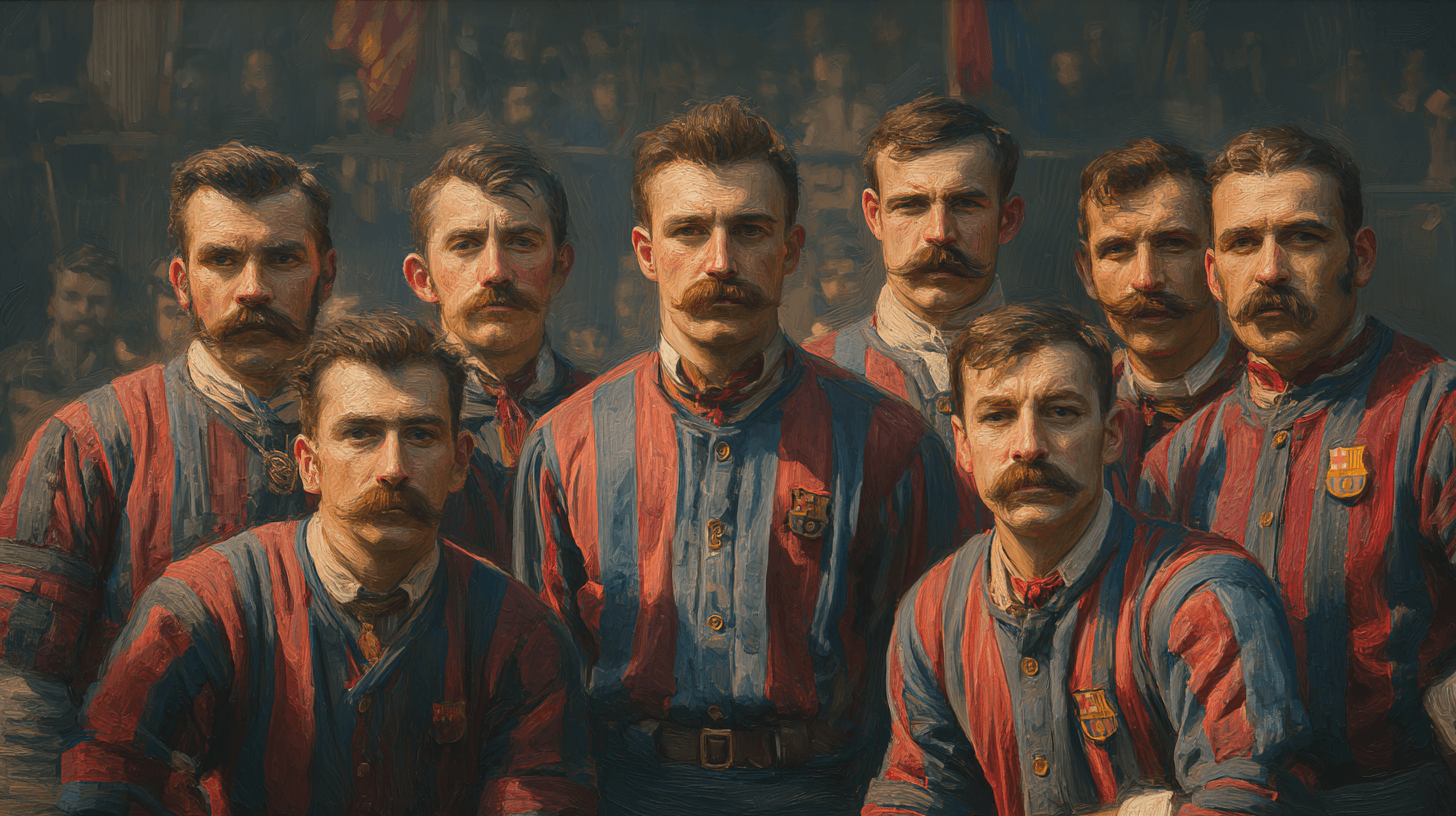
El Clásico officially began in 1902, during the Copa de la Coronación, a tournament organized to celebrate the coronation of King Alfonso XIII. FC Barcelona and Madrid FC (later Real Madrid) were young clubs, relatively unknown on the international stage. That first match ended in a 3–1 victory for Barcelona.
Though few at the time realized its significance, this early encounter laid the groundwork for one of the fiercest football rivalries ever. The cultural, linguistic, and political differences between Catalonia and Castile would soon become intertwined with the sporting rivalry between these two clubs.
B. The Growth of La Liga and Club Identities
When La Liga was established in 1929, FC Barcelona and Real Madrid began meeting in high-stakes league matches. As football became Spain's most popular sport, the identities of these clubs solidified.
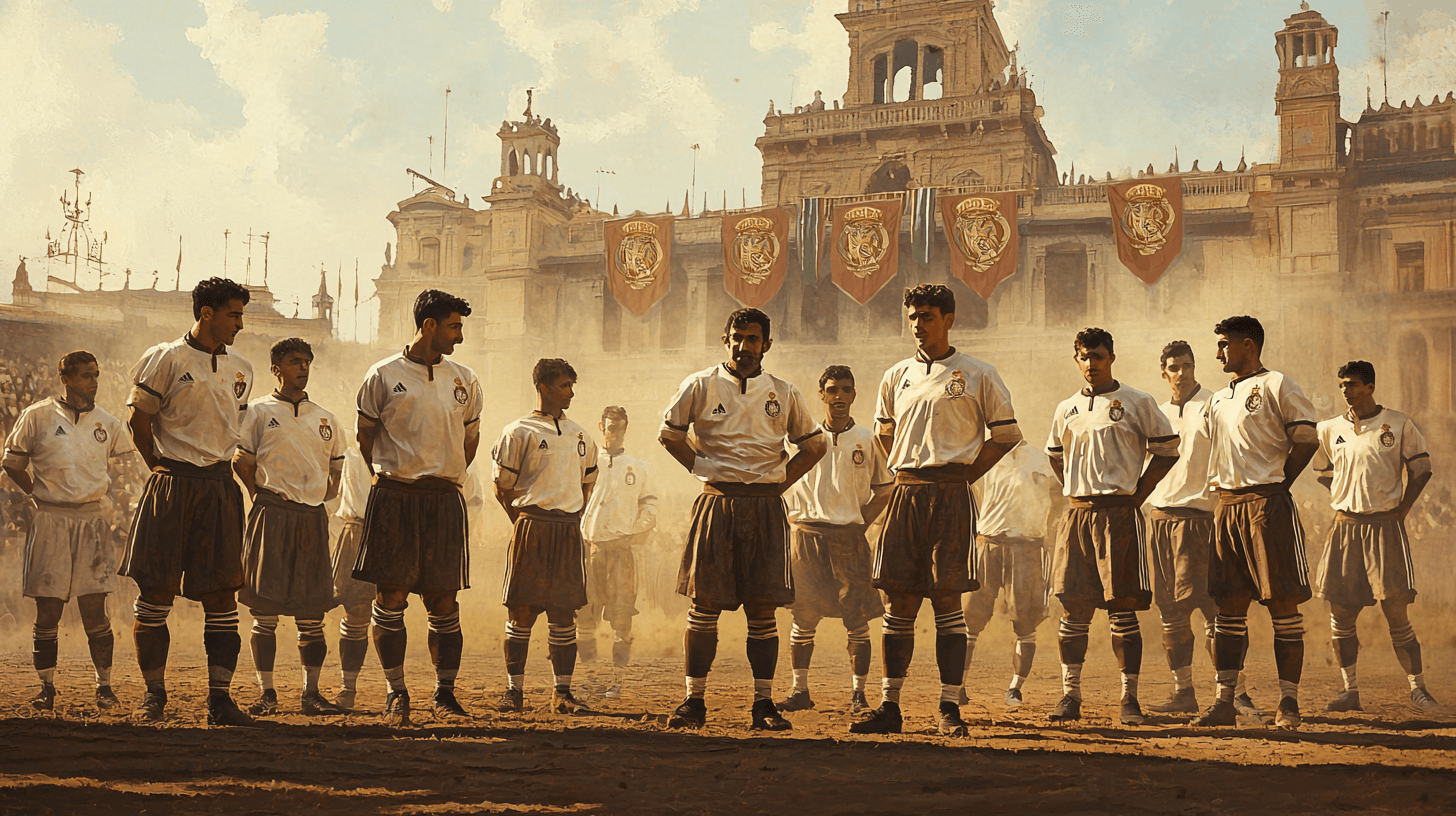
Barcelona wasn't just a football club—it was a symbol of Catalan pride, language, and regional identity. Its motto, "Més que un club" (More than a club), became a rallying cry. Meanwhile, Real Madrid was increasingly seen as the club of the Spanish establishment, enjoying backing from national institutions and, later, even the Franco regime.
By the 1930s and 40s, El Clásico was no longer just about goals and trophies. It was about who you were, where you came from, and what you stood for.
Politics and Power: The Real Divide
A. Catalonia vs Castile: The Historical Background
The rivalry between Barcelona and Real Madrid reflects Spain's deep-seated internal conflict between regional autonomy and centralized power. Catalonia has long fought to preserve its distinct culture, language, and governance, often clashing with the central government in Madrid.
Football offered Catalans an obvious stage to express dissent. The regional tensions were not only felt in government buildings but also in stadiums packed with tens of thousands of fans. Supporting FC Barcelona became an act of cultural and, at times, political resistance. In contrast, Real Madrid came to represent the unified Spanish state and its centralist ideology.
B. The Franco Era and Its Impact
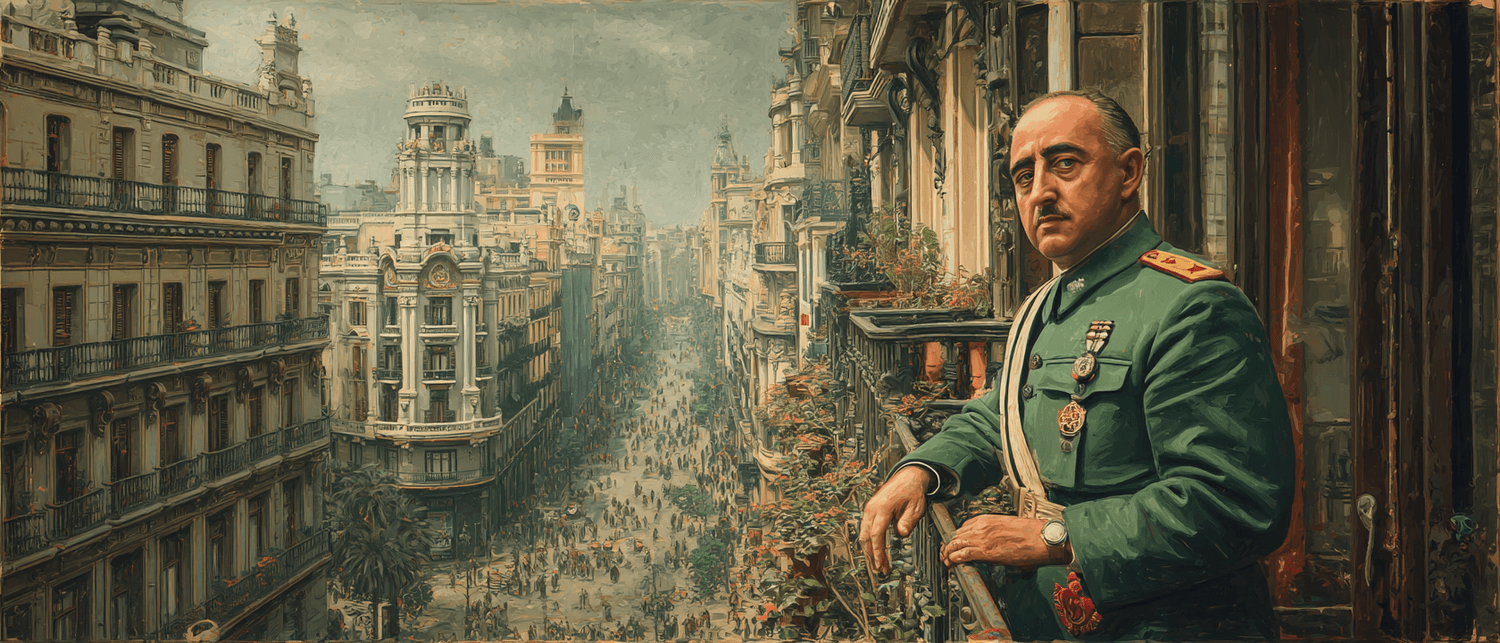
General Francisco Franco ruled Spain from 1939 to 1975 with an iron fist. During his dictatorship, the Catalan language and culture were brutally suppressed. FC Barcelona became a symbol of resistance, while Real Madrid received substantial state support. This disparity shaped public perception and deepened resentment.
One of the most controversial events in El Clásico history occurred in 1943. In the second leg of a Copa del Generalísimo semi-final, Real Madrid beat Barcelona 11–1. Numerous reports suggest that Barcelona players were intimidated by the regime before the match. Whether or not coercion took place, the result became a symbol of political manipulation in sport.
C. Barcelona's Resistance Through Football
Despite these challenges, Barcelona never folded. During the Franco years, fans and players alike found ways to resist. At Camp Nou, singing in Catalan, waving the Catalan flag (senyera), and chanting political slogans were acts of defiance.
Football became a proxy war for Catalonia's quest for cultural survival. The club's commitment to its values, despite political persecution, only strengthened its bond with the Catalan people. Even today, FC Barcelona represents more than athletic excellence—it stands as a cultural institution, deeply tied to Catalonia's identity.
On the Pitch: Key Moments That Defined the Rivalry
A. Most Memorable Matches
Throughout its long history, El Clásico has produced some of the most unforgettable football matches ever played. In 1994, under Johan Cruyff, Barcelona delivered a stunning 5–0 victory over Real Madrid at Camp Nou. That match set the tone for the Dream Team era.
In 2010, Pep Guardiola's Barcelona repeated the scoreline with another 5–0 demolition, this time over a José Mourinho-led Real Madrid. On the flip side, the 11–1 result in 1943 remains one of the darkest moments in El Clásico history.
The 2014 thriller in which Messi scored a hat-trick in a 4–3 win at the Bernabéu showcased the rivalry at its absolute best—full of talent, tension, and unpredictability.
B. Iconic Incidents
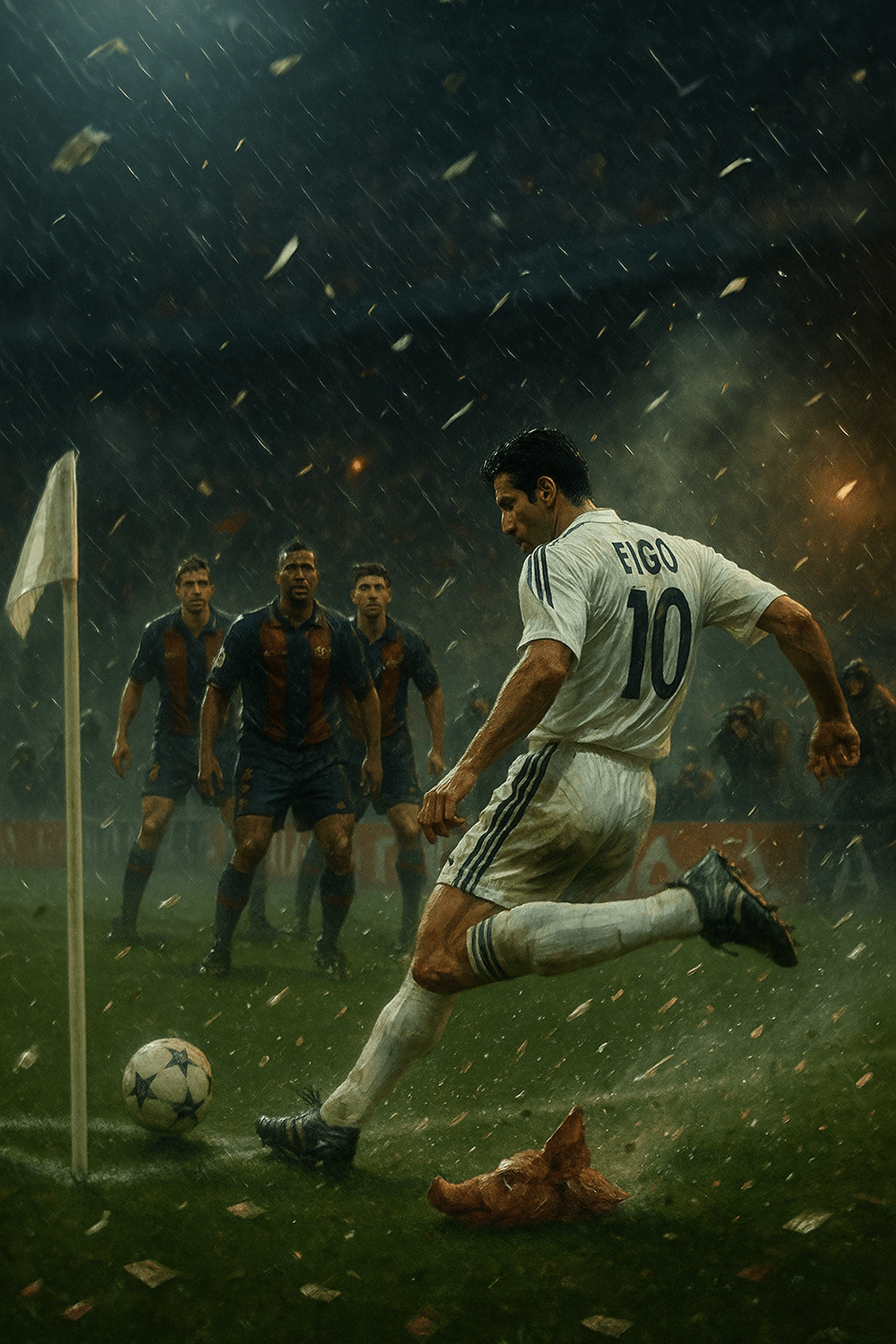
Some moments in El Clásico go beyond football. When Luis Figo returned to Camp Nou wearing white, Barcelona fans hurled a pig's head onto the pitch. It was more than a protest—it was a public execution of loyalty.
During the Mourinho vs Guardiola years, tension between the two sides reached a boiling point. Eye-gouging incidents, pitch invasions, and aggressive press conferences made headlines worldwide.
Players like Sergio Ramos and Pepe added fuel to the fire with aggressive tackles and red-card offenses.
C. Tactical Wars and Coaching Legacies
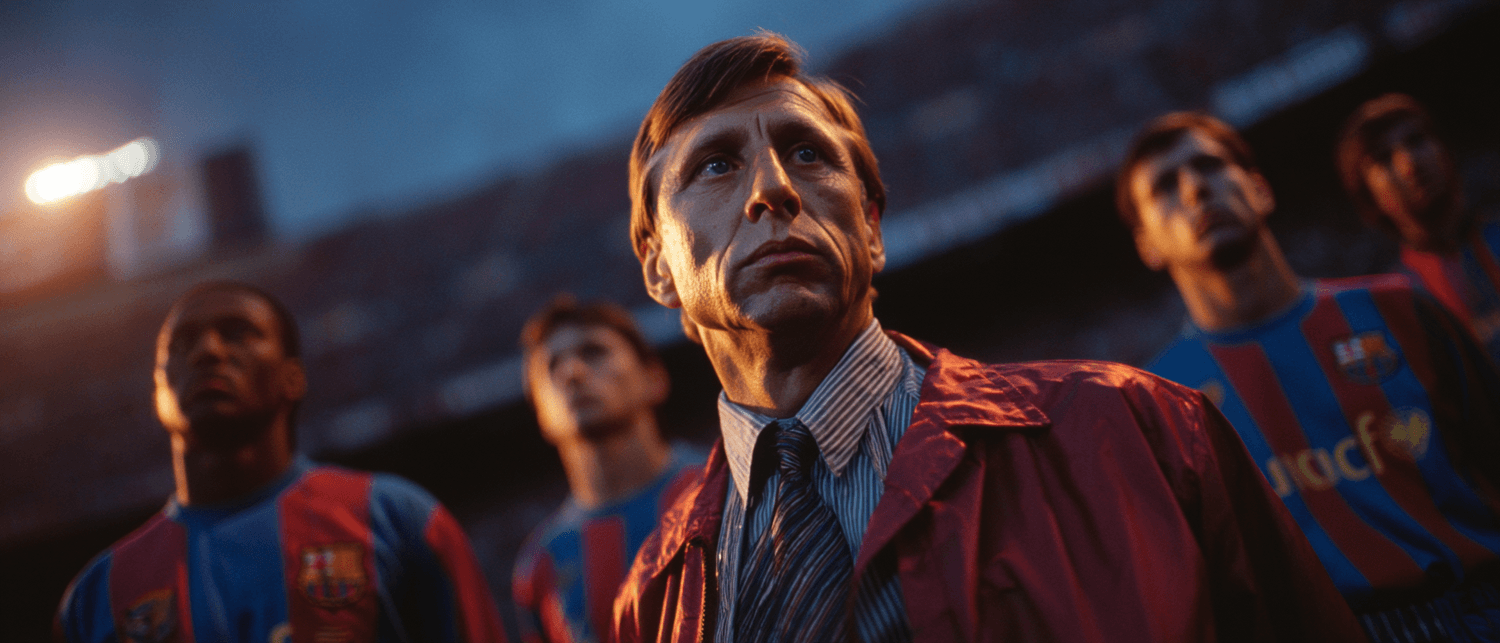
Coaches have played pivotal roles in defining El Clásico eras. Johan Cruyff revolutionized FC Barcelona with his philosophy of total football. Pep Guardiola further refined this with the now-iconic tiki-taka style.
Real Madrid responded with pragmatism and power. Under Mourinho, they disrupted Barcelona's rhythm, played on the counter, and brought the rivalry into a psychological war zone. Zidane, Ancelotti, and others have also left their tactical imprint on El Clásico.
These coaching duels elevated El Clásico from a rivalry into a chessboard of elite football ideologies.
Player Showdowns and Betrayals
A. Legends of El Clásico
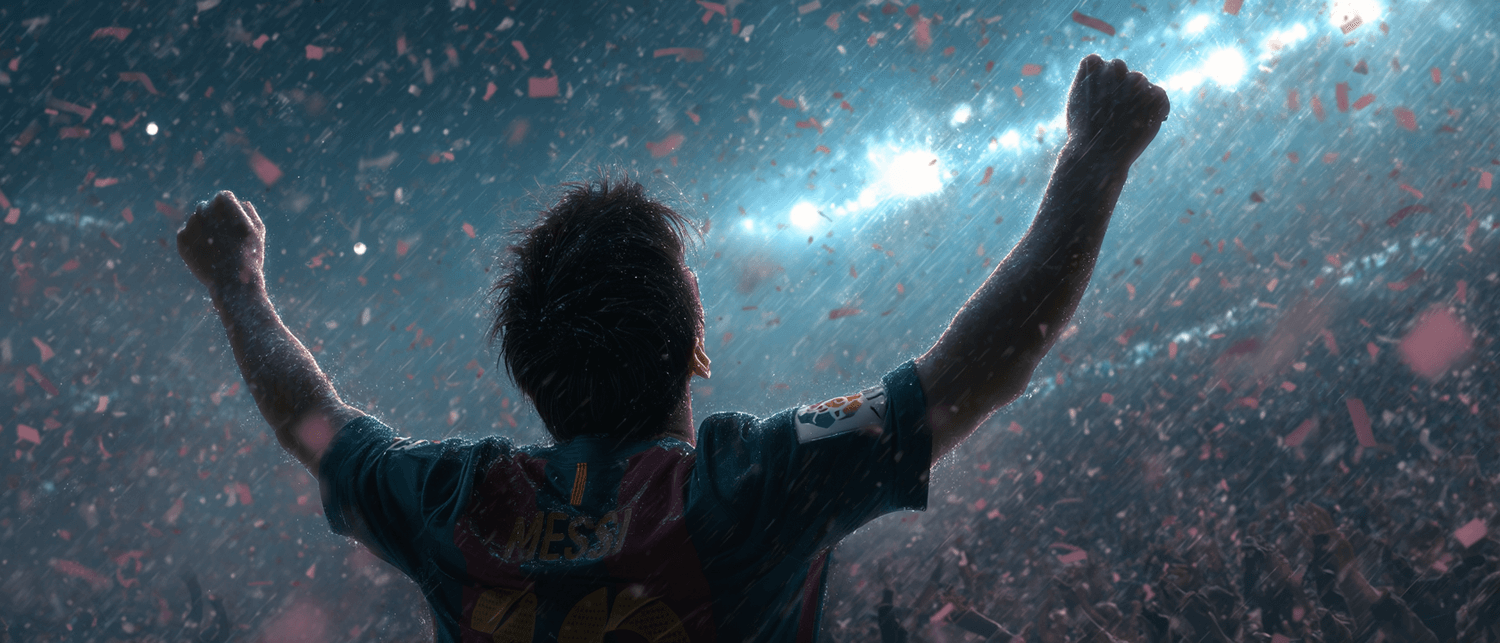
From Di Stéfano to Messi, El Clásico has been graced by football's greatest players. Messi holds the record for most goals in El Clásico history, while Cristiano Ronaldo became synonymous with Real Madrid's ambition and swagger.
Other legends include Ronaldinho, who was applauded by Madrid fans after a sublime performance, and Andrés Iniesta, whose graceful midfield dominance earned respect on both sides.
These players weren't just great—they defined eras.
B. Figo: The Most Hated Transfer in History
In 2000, Luis Figo did the unthinkable: he left Barcelona for Real Madrid. The transfer was orchestrated by Florentino Pérez and set the tone for Real Madrid's Galácticos era. The betrayal stung so deeply that when Figo returned to Camp Nou, fans threw bottles, lighters, and even a pig's head onto the pitch.
No other transfer in football history has provoked such vitriol, and it remains a defining chapter in the El Clásico rivalry.
C. Players Who Played for Both Clubs
Several players have crossed enemy lines, including Ronaldo Nazário, Samuel Eto'o (via Mallorca), Michael Laudrup, and Javier Saviola. Each faced immense scrutiny and often left one fanbase feeling betrayed.
Crossing from Barça to Madrid—or vice versa—is not just a career move; it's a decision that leaves a permanent mark on a player's legacy.
Beyond the Stadium: Cultural and Global Impact
A. Global Viewership and Branding
El Clásico is broadcast in over 180 countries, with hundreds of millions of viewers tuning in. It has become a branding powerhouse for La Liga, FC Barcelona, and Real Madrid.
The match influences merchandise sales, tourism, and international fan engagement. Cities around the world—from Jakarta to Johannesburg—host El Clásico watch parties, uniting fans in passion.
B. National Identity and Expression
For many Catalans, El Clásico is a way to express national identity. From the singing of "Els Segadors" to the sea of senyeras in the stands, the match offers a rare public space for political expression.
This unique blend of sport and symbolism makes every El Clásico an emotional and cultural event.
C. El Clásico as Soft Power
Spain leverages El Clásico to showcase its culture, history, and sporting excellence. Yet, the rivalry also exposes internal divisions that challenge the narrative of a unified nation.
Even as it serves as soft power abroad, El Clásico reveals the raw edges of Spain's national story.
The Modern Era of El Clásico
A. Messi vs Ronaldo Era (2009–2018)
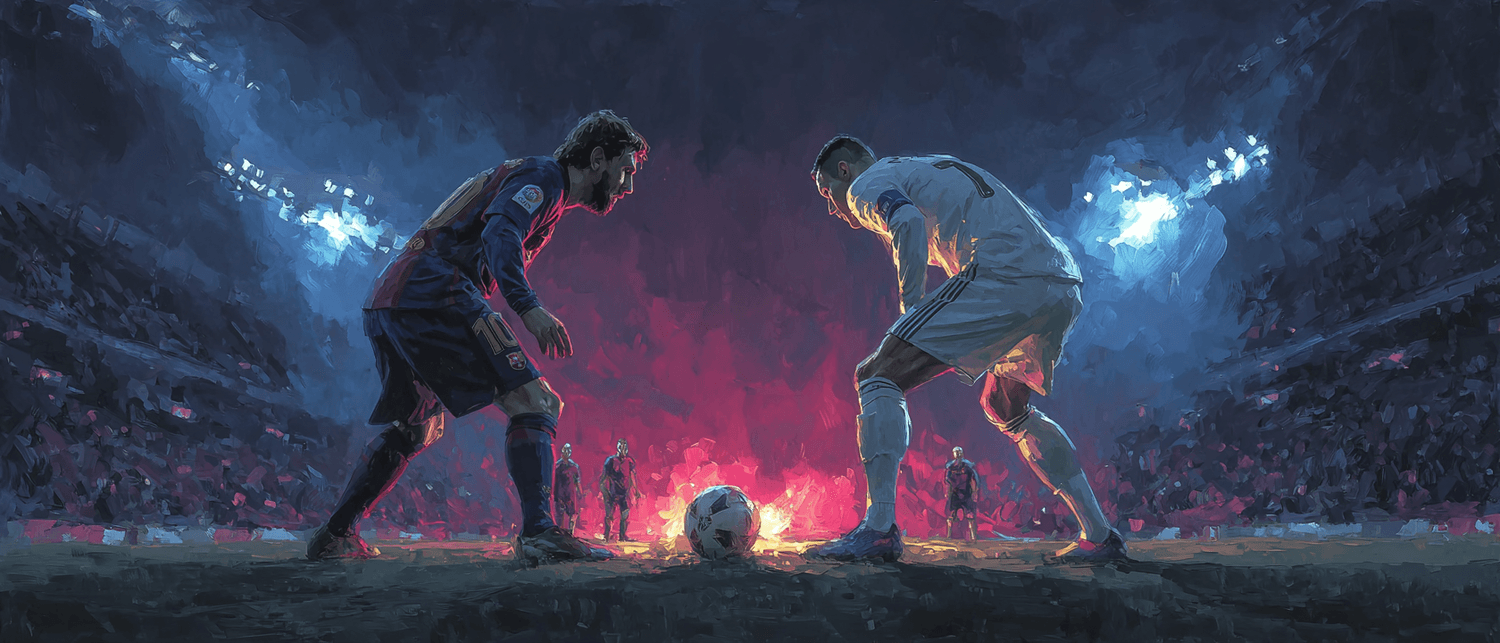
The Messi-Ronaldo era transformed El Clásico into a global spectacle. Their duels were about more than goals—they represented contrasting philosophies, personalities, and club identities.
With Messi's magic and Ronaldo's athleticism, this era brought unprecedented attention, media coverage, and social media engagement to the rivalry.
B. Women’s El Clásico: A Rising Force
The growth of women's football has led to the emergence of the Women's El Clásico. Barcelona Femení is one of Europe's top teams, while Real Madrid Femenino continues to grow in influence.
Recent matches have drawn massive crowds, including over 90,000 fans at Camp Nou—setting world records for attendance.
C. El Clásico 2025 and the Future of the Rivalry
As both clubs rebuild with new stars like Vinícius Jr., Jude Bellingham, Gavi, and Lamine Yamal, the rivalry enters a new phase. The political climate continues to evolve, and technology reshapes how fans experience the game.
Despite changes, the essence of El Clásico—passion, identity, and intensity—remains unchanged.
Statistics, Records, and Fan Culture
A. Head-to-Head: By the Numbers
As of 2025, Real Madrid leads slightly in all-time wins, while Barcelona edges ahead in goal difference. The overall record remains neck and neck, adding to the rivalry's tension.
B. Most Appearances, Goal Scorers, Red Cards
Most goals: Lionel Messi (26)
Most appearances: Sergio Ramos and Lionel Messi
Most red cards: Sergio Ramos (5)
These stats reflect not just skill, but longevity, aggression, and emotional investment.
C. Fanbases: Passion, Chants, and Extremes
Barcelona's fanbase emphasizes cultural pride and community. Madrid's fans reflect a legacy of winning, structure, and dominance. Both are fiercely loyal, with chants and tifos that shake stadiums.
The match is not just played on the pitch—it's fought in the stands.
Why El Clásico Still Splits Spain
Even in modern democratic Spain, the wounds of history remain. Catalonia's continued push for independence, including the 2017 referendum, reignites tensions that play out every time Barcelona meets Real Madrid.
El Clásico serves as a national mirror—reflecting Spain's unresolved identity issues, and often amplifying them.
Final Whistle: Football, Identity, and Everything in Between
El Clásico is not just a game. It is a centuries-old narrative about who controls power, who defines identity, and who writes history. Each match is another chapter, watched by millions, debated by generations.
This is why El Clásico endures. Because it's not just about points—it's about pride. Not just goals, but ghosts. And in every pass, tackle, and celebration, Spain's story continues to unfold.
Frequently Asked Questions
A: The dates vary by season, but matches typically happen in October and March during the La Liga calendar.
A: Real Madrid's 11–1 win in 1943 remains the most controversial and lopsided scoreline.
A: "El Clásico" means "The Classic" in Spanish. It refers to the historic rivalry between Spain's two biggest football clubs.
A: Not officially, but politics have heavily shaped the narrative and fan sentiments for decades.
A: It's growing rapidly. With top players and massive fan interest, it's becoming a must-watch rivalry in its own right.
A: Lionel Messi holds the record with 26 goals.