
He Was Born Broken — Yet Became Football’s Most Beautiful Player: The Tragic Brilliance of Garrincha
Introduction
They said he would never walk properly, let alone run. Doctors looked at the child’s twisted legs and crooked spine and predicted a lifetime of limitations. Yet those same imperfect legs would one day create some of the most dazzling moments football had ever seen.
This is the incredible story of Manuel Francisco dos Santos, better known as Garrincha — “The Little Bird.” To millions, he was “Alegria do Povo” — the Joy of the People.
Born in poverty, blessed with otherworldly dribbling skills, and adored for his carefree smile, Garrincha became one of football’s most beloved legends. But behind the laughter was a man plagued by physical pain, emotional turmoil, and personal tragedy.
This is not just a biography of Garrincha — it’s the story of how a flawed man became a symbol of beauty, freedom, and joy in Brazilian football.
The Boy with Bent Legs (Early Life & Challenges)
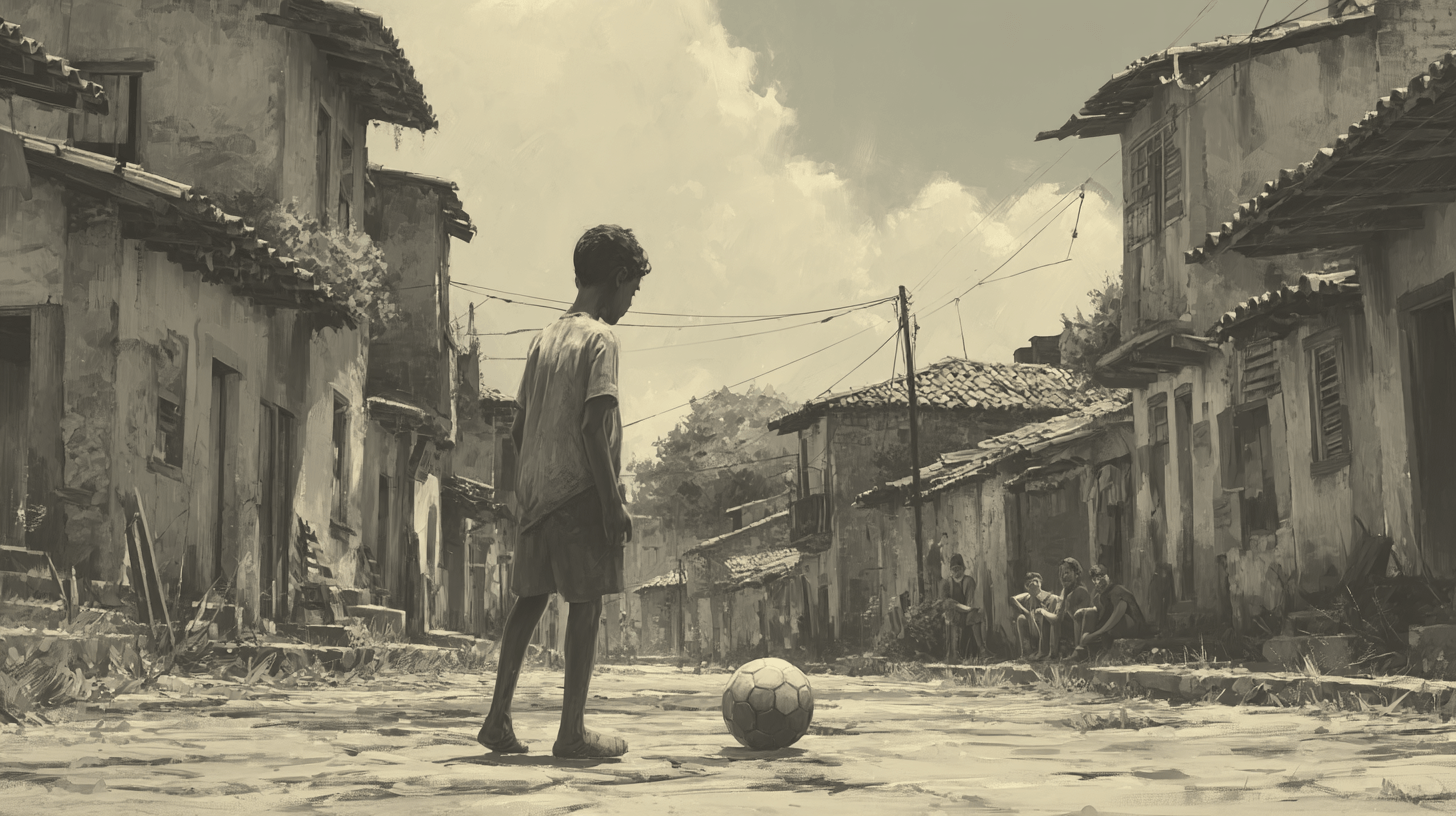
Garrincha was born on October 28, 1933, in Pau Grande, a small industrial town in Magé, Rio de Janeiro. Pau Grande was poor, isolated, and dominated by textile factories. His parents, Amaro and Maria Carolina dos Santos, were hardworking but struggled to feed their large family.
Like many Brazilian children of the time, young Mané Garrincha grew up barefoot, chasing improvised balls made of socks, paper, or fruit. The dusty streets of Pau Grande became his playground — a rough but joyful world that taught him creativity, resilience, and spontaneity.
Football wasn’t just a pastime; it was an escape. It was hope. And soon, everyone in the neighborhood knew that the boy with the bent legs had something special.
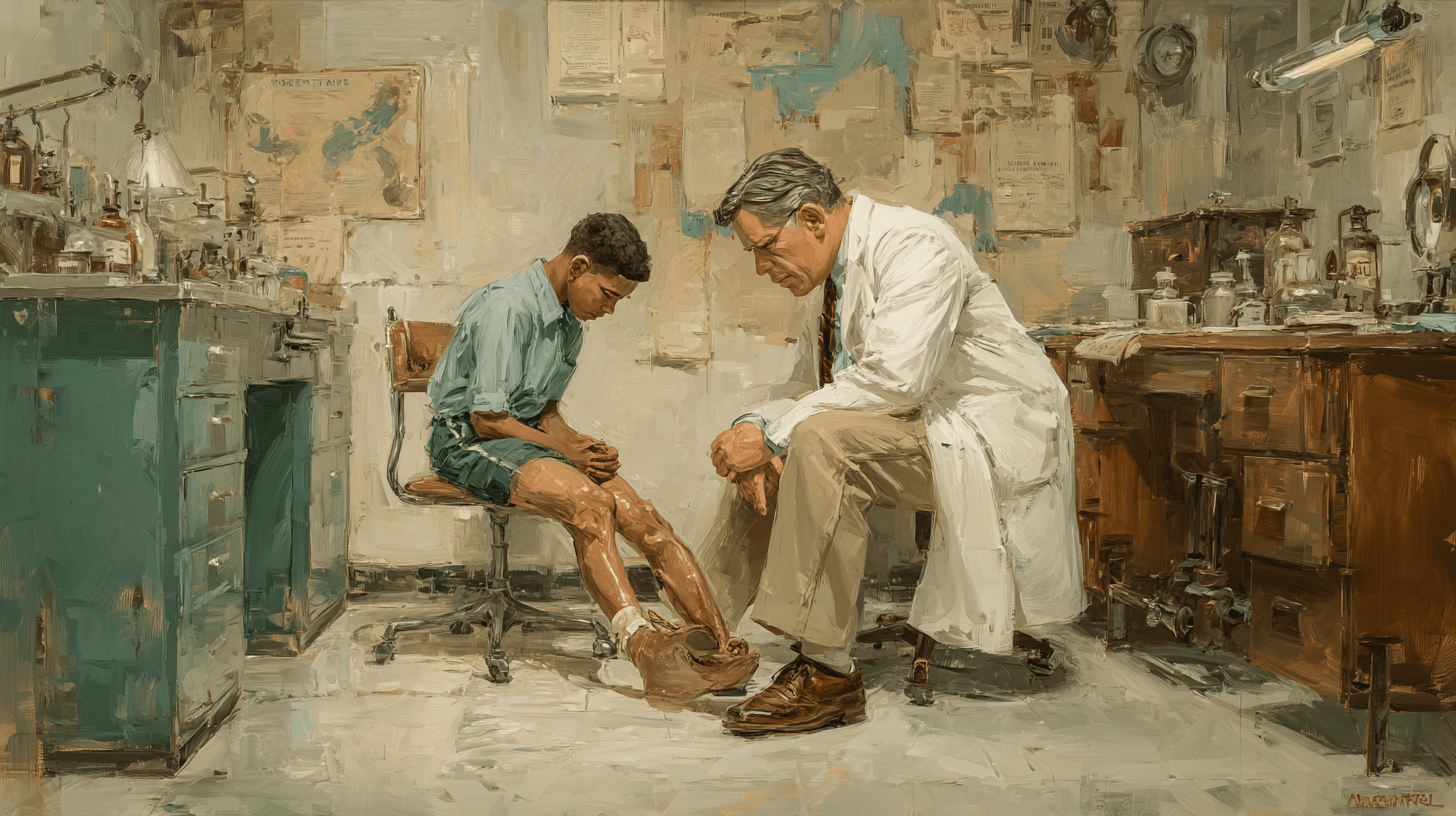
Garrincha was born with multiple deformities: one leg six centimeters shorter than the other, one bowed inward and the other outward, and a twisted spine. Medical experts said he’d never walk straight.
But what science saw as a flaw, football saw as genius. His irregular legs made his movement unpredictable — his dribbling impossible to read. He would fake one way, and defenders would fall the other. His low center of gravity and natural balance became unmatched advantages.
Football historians often note that Garrincha “turned imperfection into art.” His body defied logic, yet his every movement spoke the language of beauty.
Even as a child, Garrincha radiated happiness. He laughed constantly, teased his friends, and played football for the sheer fun of it.
The nickname “Garrincha,” meaning a little bird, came from his sister Rosa, who thought his restless energy and playfulness resembled that of the small bird that fluttered around the forests of Pau Grande.
That name — light, free, untamed — perfectly captured his spirit.
From the beginning, Garrincha’s game was never about tactics or fame. It was about joy — the kind that makes the world feel lighter, even for a few minutes.
The Rise of a Misfit Genius (Botafogo Years)
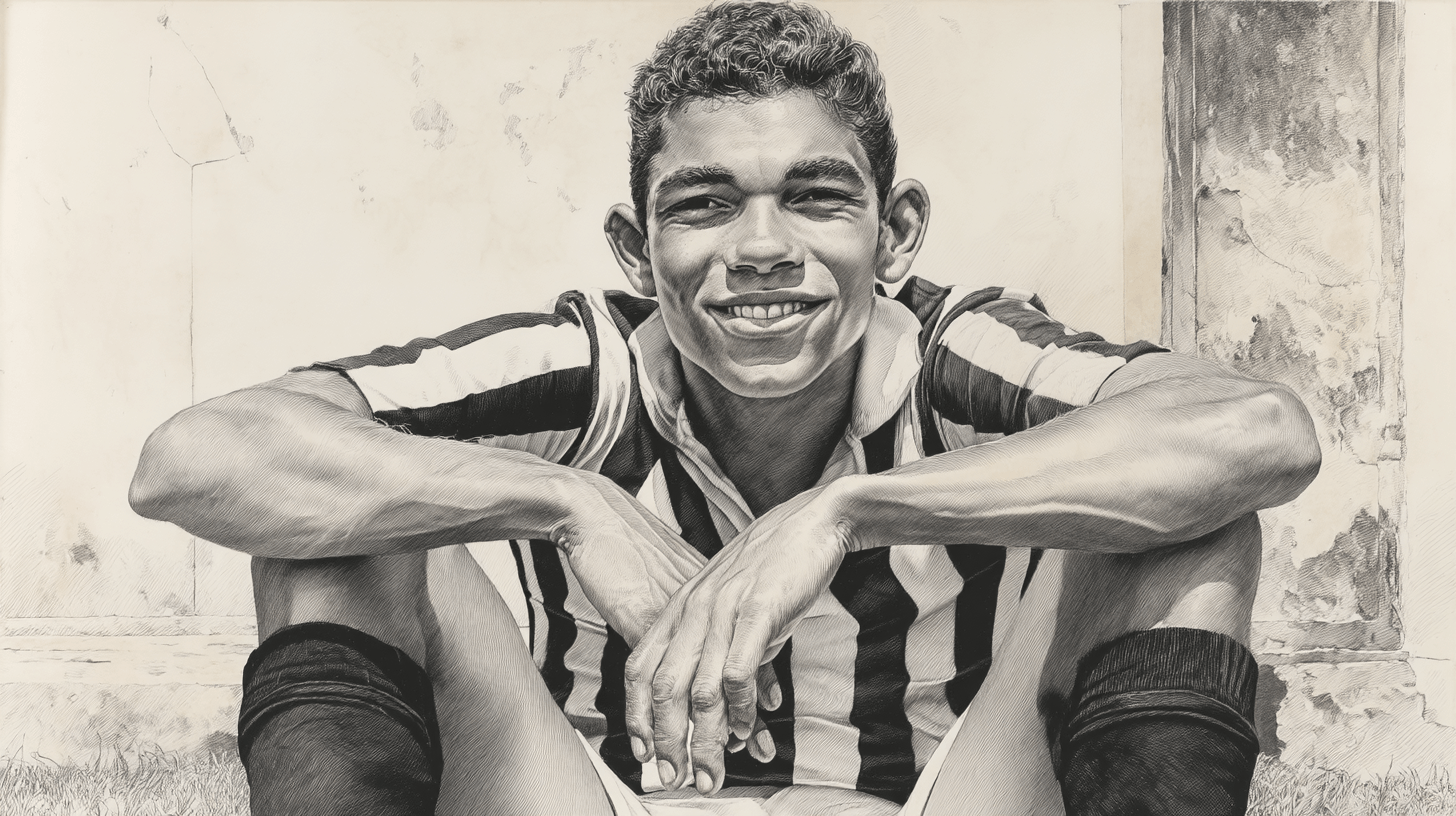
In 1953, a 19-year-old Garrincha arrived uninvited for a trial at Botafogo de Futebol e Regatas, one of Rio’s biggest clubs. Most scouts ignored him — his awkward walk didn’t look athletic.
But fate intervened. During a practice session, Garrincha faced Nilton Santos, Brazil’s respected left-back and a future World Cup winner. What followed became legendary.
With a mixture of feints, stop-starts, and explosive acceleration, Garrincha humiliated the veteran repeatedly. Nilton Santos was astonished. After training, he reportedly told the coaches:
“If you don’t sign this boy, you’ll regret it forever.”
That single afternoon changed Garrincha’s life. He was signed immediately. Within months, the boy from Pau Grande was enchanting Rio’s football crowds.
At Botafogo, Garrincha quickly became famous for his unpredictable dribbling style. Defenders couldn’t anticipate his next move. His legs’ strange angles created a rhythm like no one else’s.
He’d fake to the right, pause for half a second, then explode past defenders with an impossible burst of speed. His outside-foot cross, famously called the “banana shot,” would curve in wild, unnatural arcs that goalkeepers couldn’t judge.
Tactically, Garrincha wasn’t disciplined. He didn’t follow formations — he followed instinct. But when he touched the ball, Botafogo fans roared. He brought street football to the professional pitch — and the world loved it.
By the late 1950s, Garrincha was a star in Rio. Fans adored his innocence and humor as much as his skill. He dribbled opponents for fun — sometimes beating the same player twice before passing the ball.
Sports journalists started calling him “Alegria do Povo” — The Joy of the People. He represented the soul of Brazil: poor but talented, playful but proud.
At Botafogo, Garrincha helped win several Campeonato Carioca titles (1957, 1961, 1962) and over 200 goals in his career with the club. His partnership with Didi and Amarildo made Botafogo one of Brazil’s most feared teams.
Glory on the World Stage (World Cups 1958 & 1962)
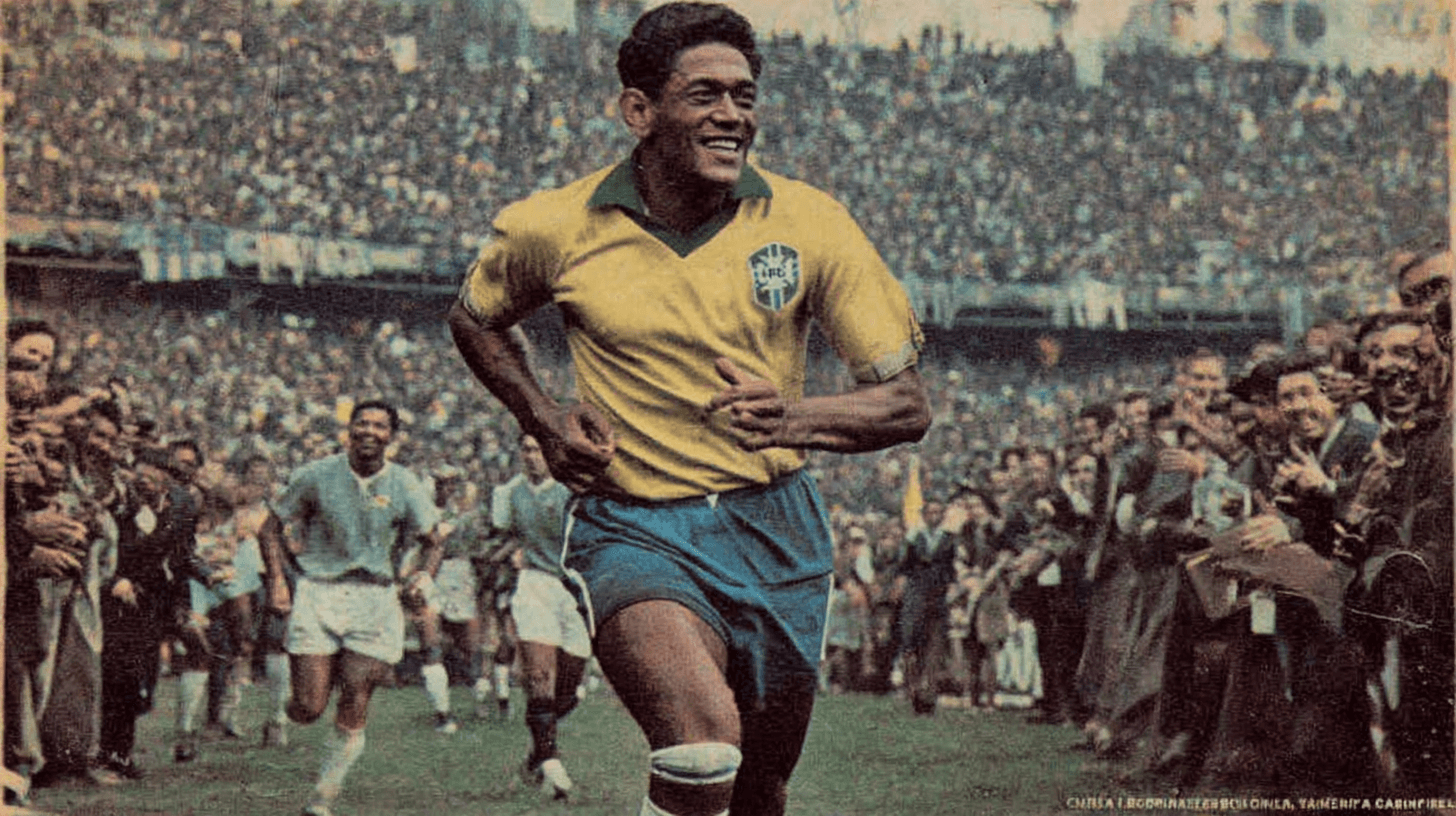
In 1958, Brazil sent a golden generation to the World Cup in Sweden. The lineup included Pelé, Didi, Zagallo, Vavá, and Garrincha.
Initially benched for being “too playful,” Garrincha soon silenced critics. His fearless dribbling on the right wing tore defenses apart. In matches against the Soviet Union and France, his creativity opened up space for Pelé and Vavá to score.
Brazil won its first-ever World Cup, and Garrincha’s joyful style helped define jogo bonito — “the beautiful game.” He didn’t just help Brazil win; he made football look like art.
Four years later, in the 1962 World Cup in Chile, Garrincha became Brazil’s savior. When Pelé was injured early in the tournament, many thought Brazil’s chances were over. But Garrincha refused to let the dream die.
He took command, scoring four goals, including two stunning performances against England and Chile. His curling “banana shot” and unpredictable dribbles made defenders dizzy.
Garrincha finished the tournament with both the Golden Boot and Golden Ball awards, leading Brazil to its second consecutive title. To this day, Brazil has never lost a match when Pelé and Garrincha played together.
Garrincha’s magic transcended football. For millions of Brazilians, he represented hope, resilience, and freedom. He showed that even someone from a poor background, with physical deformities, could become a world hero.
His carefree smile became Brazil’s signature. The world had Pelé’s perfection — but Garrincha was its joy.
The Man Behind the Smile (Personality, Simplicity & Love Life)
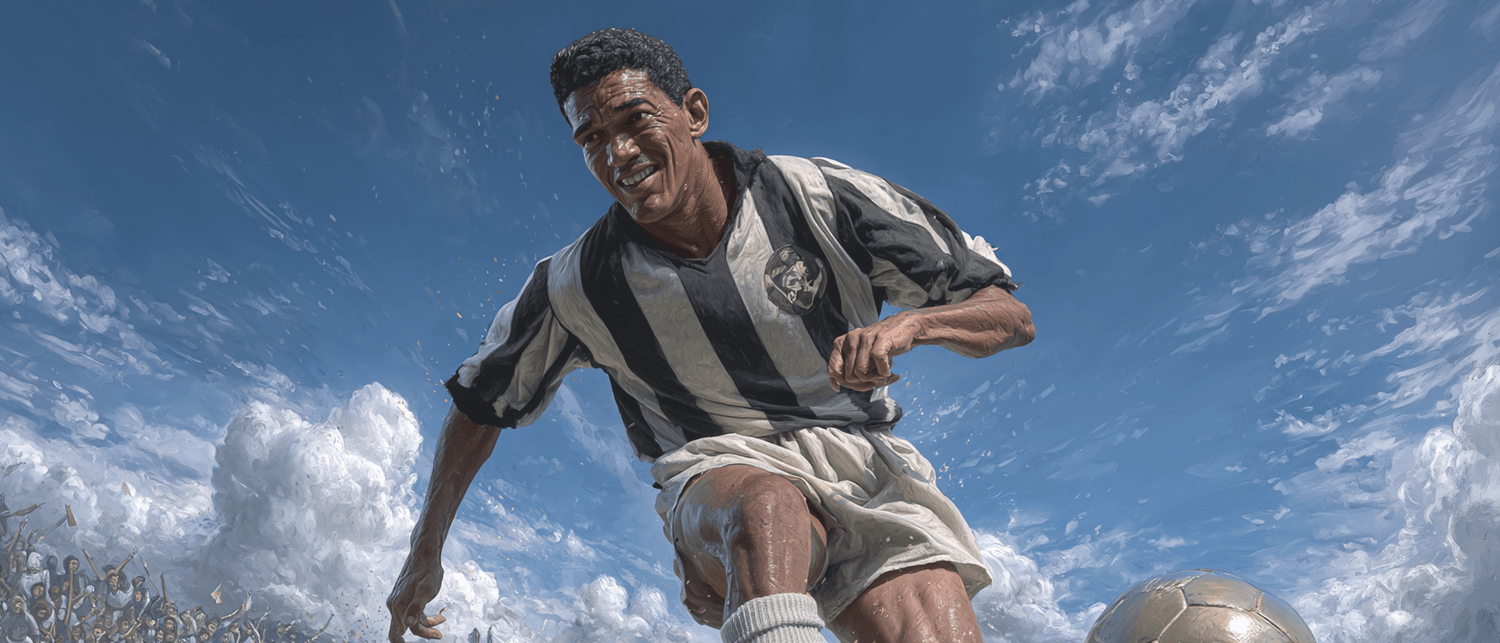
Despite global fame, Garrincha remained a simple man. He didn’t care about wealth or fame. He’d rather fish in Pau Grande or play football with children than attend banquets or interviews.
He lived for the moment — unbothered by business, contracts, or celebrity. When asked why he played, he famously replied:
“To make people happy.”
But in the professional football world, his innocence was often exploited. Managers took advantage of his lack of financial awareness, and his earnings vanished quickly.
Garrincha’s love life was as chaotic as his dribbling. He had numerous relationships and fathered many children. His most famous romance was with Elza Soares, one of Brazil’s top singers.
Their relationship defied social norms and caused media uproar. The tabloids turned their love into a scandal. But Garrincha’s charm, humor, and vulnerability made him impossible to hate.
Even Elza described him as “a man who lived to give love, but never learned to keep it.”
As fame grew, his innocence became his weakness. He was generous to a fault, often giving money away or neglecting contracts. Alcohol, once part of celebration, became a daily companion.
Football had brought him the world’s love — but left him unprepared for its cruelty.
The Fall: Injuries, Addiction, and Isolation
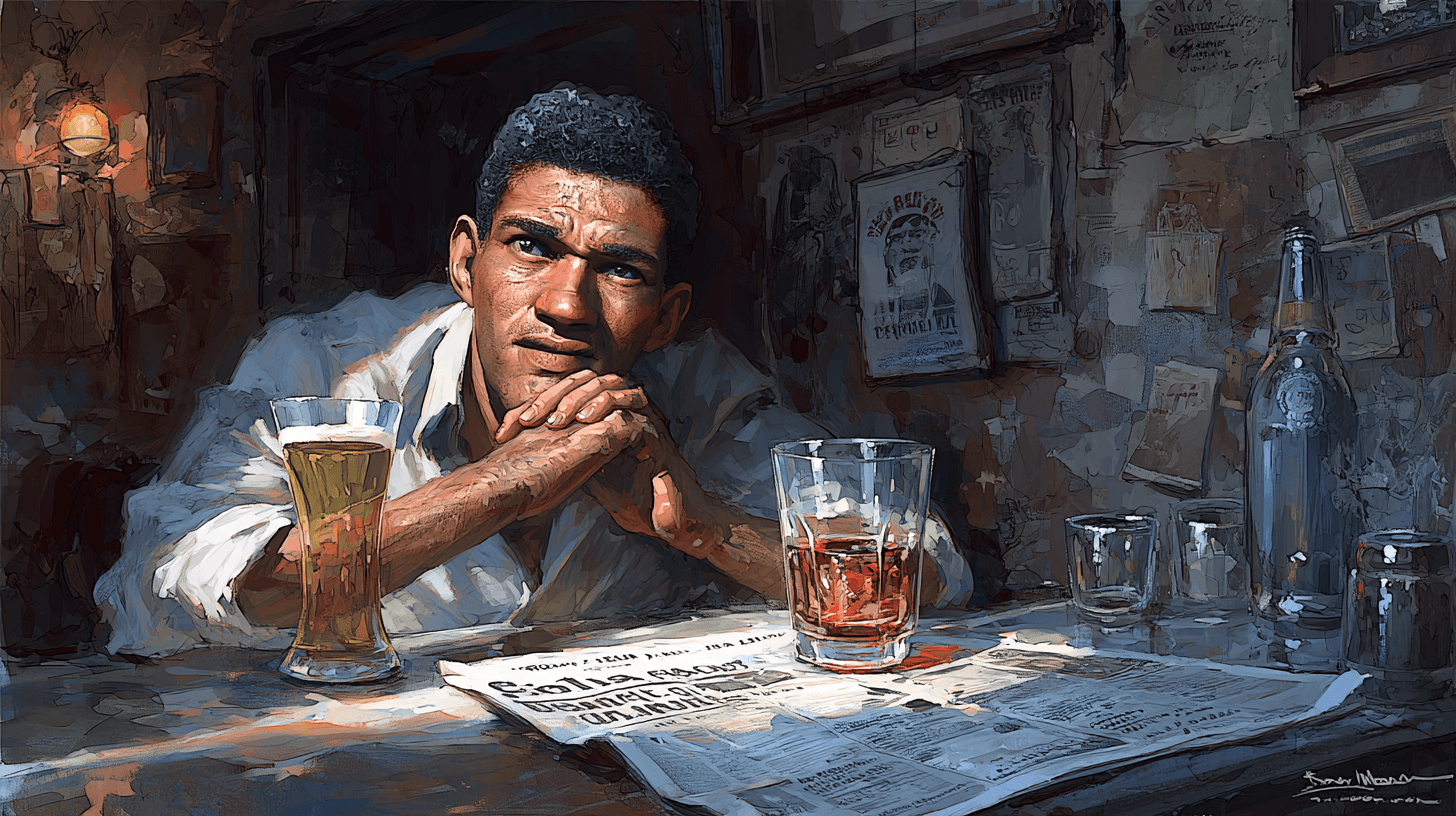
Years of physical punishment took their toll. Garrincha’s knees deteriorated, and surgeries failed to restore his movement. His once-brilliant acceleration slowed. Clubs hesitated to sign him.
By the late 1960s, he was a fading star, moving between smaller teams in Brazil and abroad — Flamengo, Corinthians, even short stints in Colombia. The magic was fading, but the spirit remained.
As his career declined, alcohol filled the void. He drank heavily after games, at parties, and later, even during training. His dependence grew stronger after personal losses, including the death of one of his daughters in a car accident.
The same joy that had defined him on the field now seemed impossible to find off it. His charisma masked deep loneliness.
By the 1980s, Garrincha was nearly forgotten by the institutions that had celebrated him. He lived in poverty and ill health, relying on the goodwill of friends and fans.
On January 20, 1983, he died from cirrhosis of the liver at just 49 years old. His funeral drew over 100,000 mourners. People wept openly in the streets of Rio.
One fan’s banner read:
“You gave us happiness. Now we give you tears.”
Brazil had lost its Joy of the People.
Legacy: The Joy and the Lesson
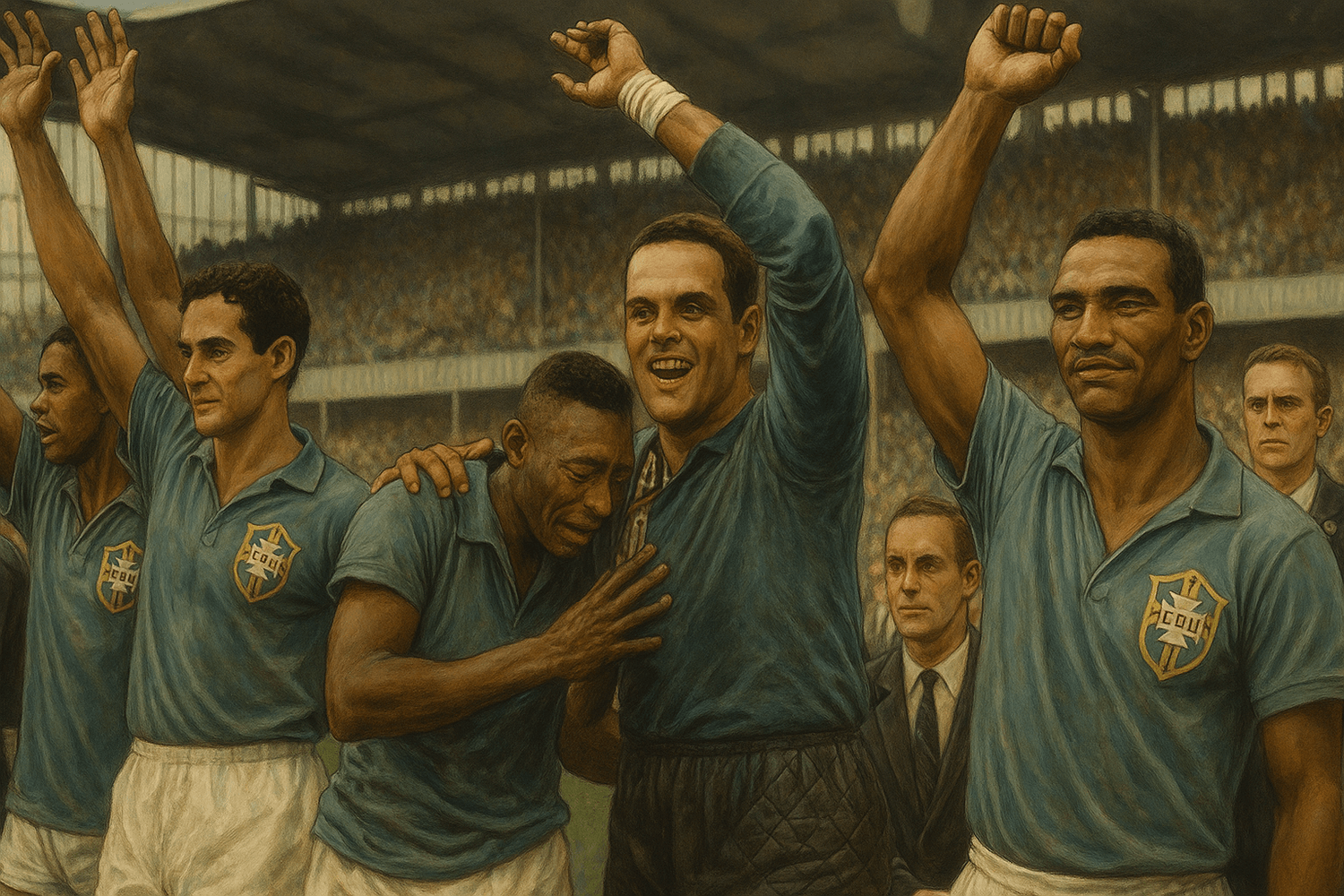
Garrincha’s style lives on in every Brazilian who dares to dribble with flair — from Ronaldinho to Neymar and Vinícius Jr.. His unpredictable moves, laughter, and improvisation inspired the global idea of jogo bonito — football as happiness, not calculation.
Even FIFA and football historians consistently rank Garrincha among the Top 10 Greatest Footballers of All Time, calling him the “greatest dribbler in history.”
To many Brazilians, Garrincha embodied the national spirit — joyous yet tragic, talented yet fragile. He showed that greatness could come from humility, that beauty could emerge from imperfection.
His life symbolized Brazil’s struggles: poverty, inequality, passion, and resilience. When he played, Brazil wasn’t just a country — it was a rhythm.
Today, Garrincha’s name graces Brasília’s Estádio Nacional Mané Garrincha, one of the largest stadiums in South America. Statues, murals, and documentaries celebrate his memory.
But beyond the monuments, Garrincha’s legacy lives in the way football is still played on Rio’s beaches and favela streets — carefree, joyous, and defiant.
He reminded the world that football isn’t perfect — and that’s precisely what makes it beautiful.
A Joy That Outlived the Pain (Final Thoughts)
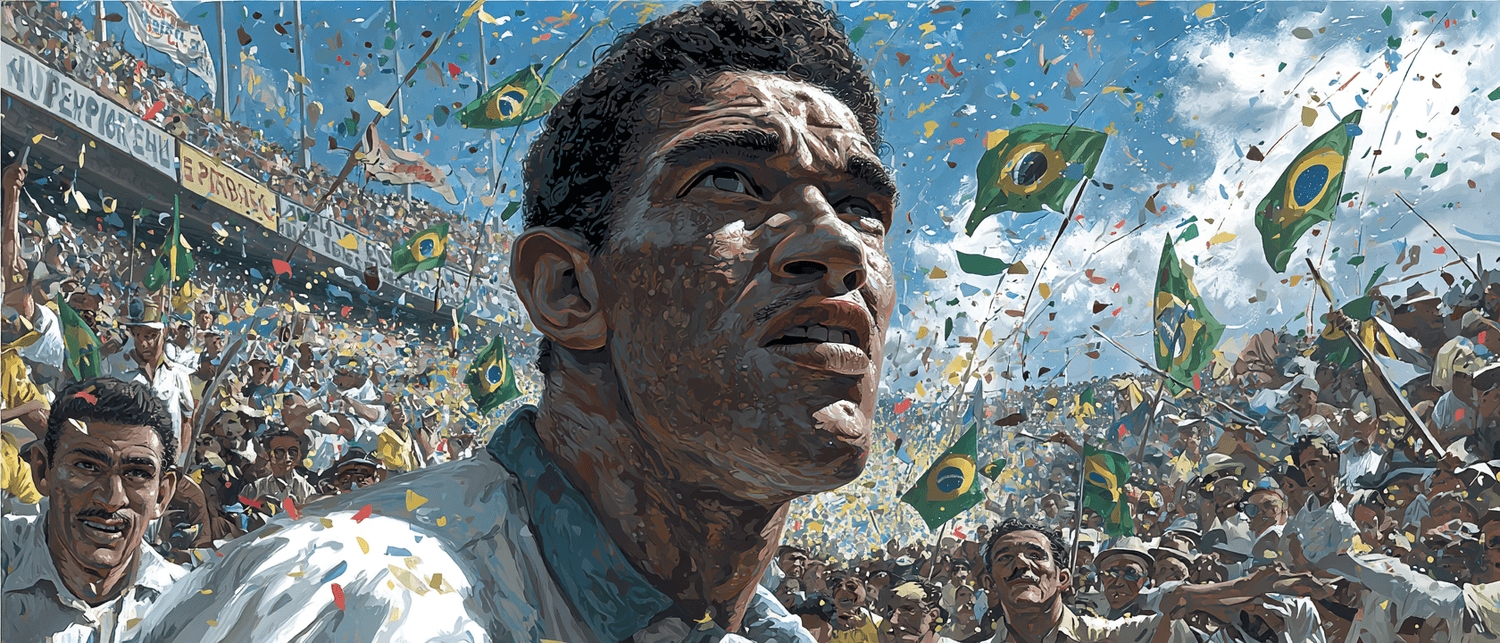
Garrincha’s story is one of contradiction — laughter and tears, beauty and tragedy, genius and downfall.
He was not a tactician, nor a scholar of the game. He was something rarer: a pure expression of joy. When he played, defenders weren’t just beaten — they were bewitched.
He taught the world that greatness doesn’t come from perfection or privilege, but from passion. His dribbling was art born from chaos, his smile a rebellion against pain.
In an era obsessed with stats and strategy, Garrincha remains the timeless reminder that football is — at its heart — a game meant to make people happy.
He was born broken, but his spirit danced. And long after his last match, that dance continues.
Frequently Asked Questions
His football brought happiness to millions of Brazilians during difficult times. His dribbling, laughter, and humble personality made him a national treasure.
His unique body shape and natural rhythm gave him movements that defenders couldn’t predict. His dribbles were spontaneous — pure improvisation that no coach could teach.
While Pelé was the complete athlete and scorer, many consider Garrincha the better dribbler and entertainer. Brazil never lost a match when both played together — a record unmatched in football history.
He suffered from chronic knee injuries, financial problems, and alcoholism, leading to health complications. He passed away in 1983 at age 49, leaving behind a legacy larger than life.
Garrincha is remembered as the most excellent dribbler in football history — the man who turned imperfection into beauty and made the world smile through football. His influence still shapes the artistry of Brazilian football today.